

Celebrating 60 Years of Impact
Join us as we honor six decades of memories, milestones and people who helped shape Northeast State Community College. 60 years and we're just getting started!
Homecoming Week Schedule
RSVP by April 10 Download Printable Flyers
| Date & Time | Event | Location |
|---|---|---|
| April 13 | Favorite Northeast State Memories: Share your top college memories for a chance to be featured on our social media. | Submit Your Favorite Memory |
| April 14 11 a.m.-2 p.m. |
Spring Festival: Games, inflatables, Chick-fil-A lunch & concert by Entertainment Technology & ETSU Bluegrass (open to the public) | Blountville Campus |
| April 15 | Spirit Day: Wear Northeast State gear and jeans. | All Campuses |
| April 16 3-4:30 p.m. |
NC3 signing day! Future college students welcome. | Technical Education Complex |
| April 17 9 a.m. |
Alumni & Friends Breakfast: Enjoy a free Cracker Barrel breakfast. Registration Required | Regional Center for Advanced Manufacturing |
| April 17 7 p.m. |
Alumni Night at the Theatre - Heathers: the Musical Tickets | Ballad Health Center for the Performing Arts |
Northeast State at 60 – A Legacy of Excellence
While it’s impossible to tell the College’s complete story with a few paragraphs and bullet points, what follows are some of the milestones Northeast State has achieved. As one can see, it’s a journey of progress, starting in 1966 as a vocational school with two buildings, six programs, and 35 students; and arriving in 2026 as a comprehensive community college with five campuses, 150 programs, and serving more than 7,500 students annually.
Timeline
1960s
1963
Northeast State grew out of the Vocational Education Act of 1963 and legislation by the Tennessee General Assembly. It was titled the Tri-Cities Area Vocational-Technical School.
1964
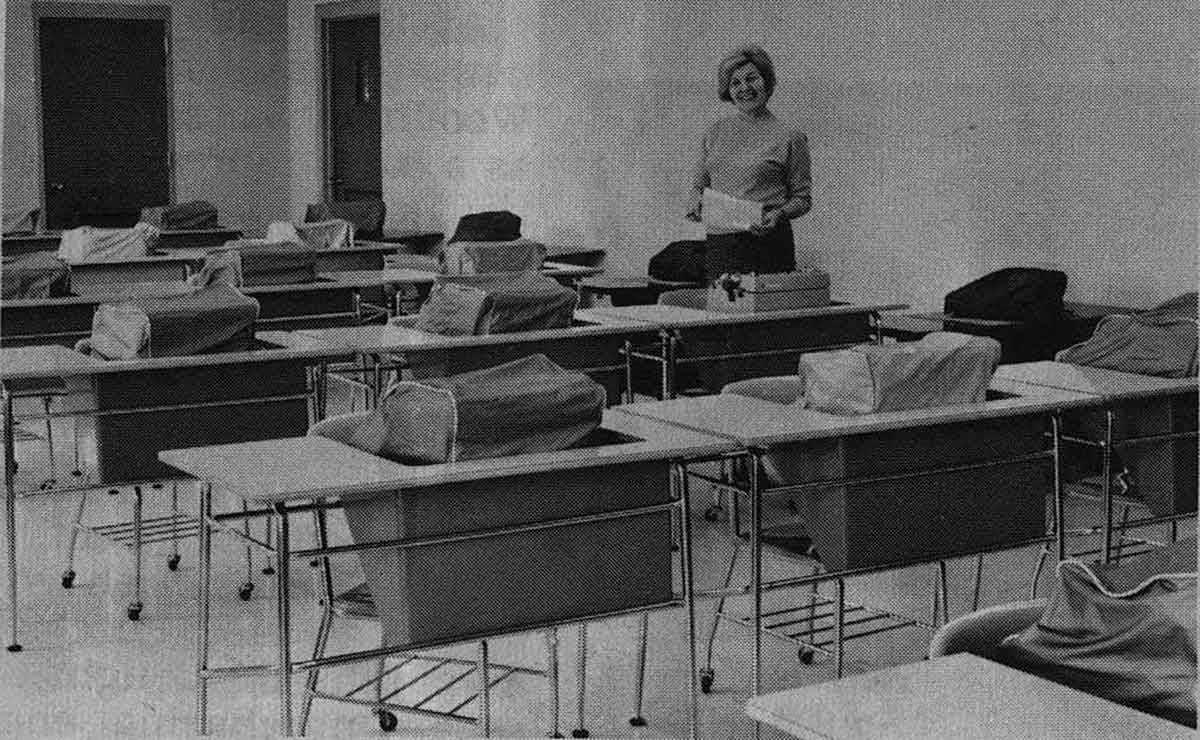
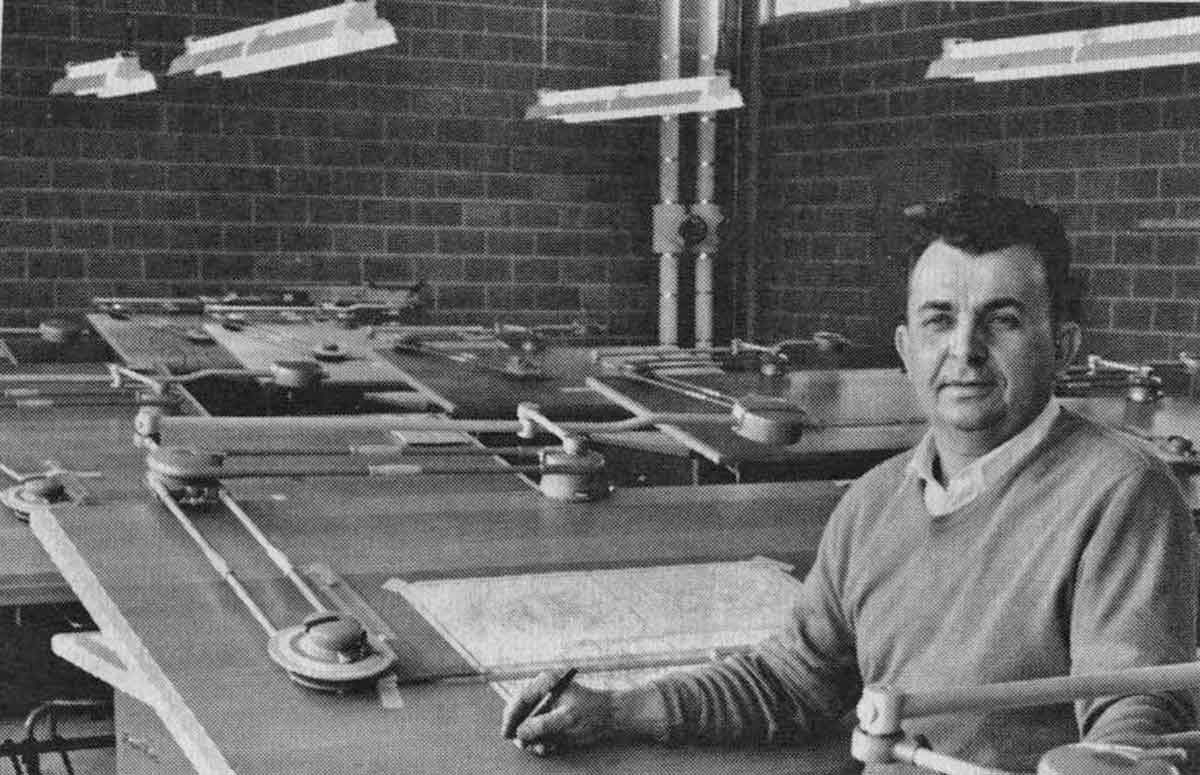
Construction began in 1964 with a General Studies Building and two Technical Education labs – a total of 26,286 square feet.
1965
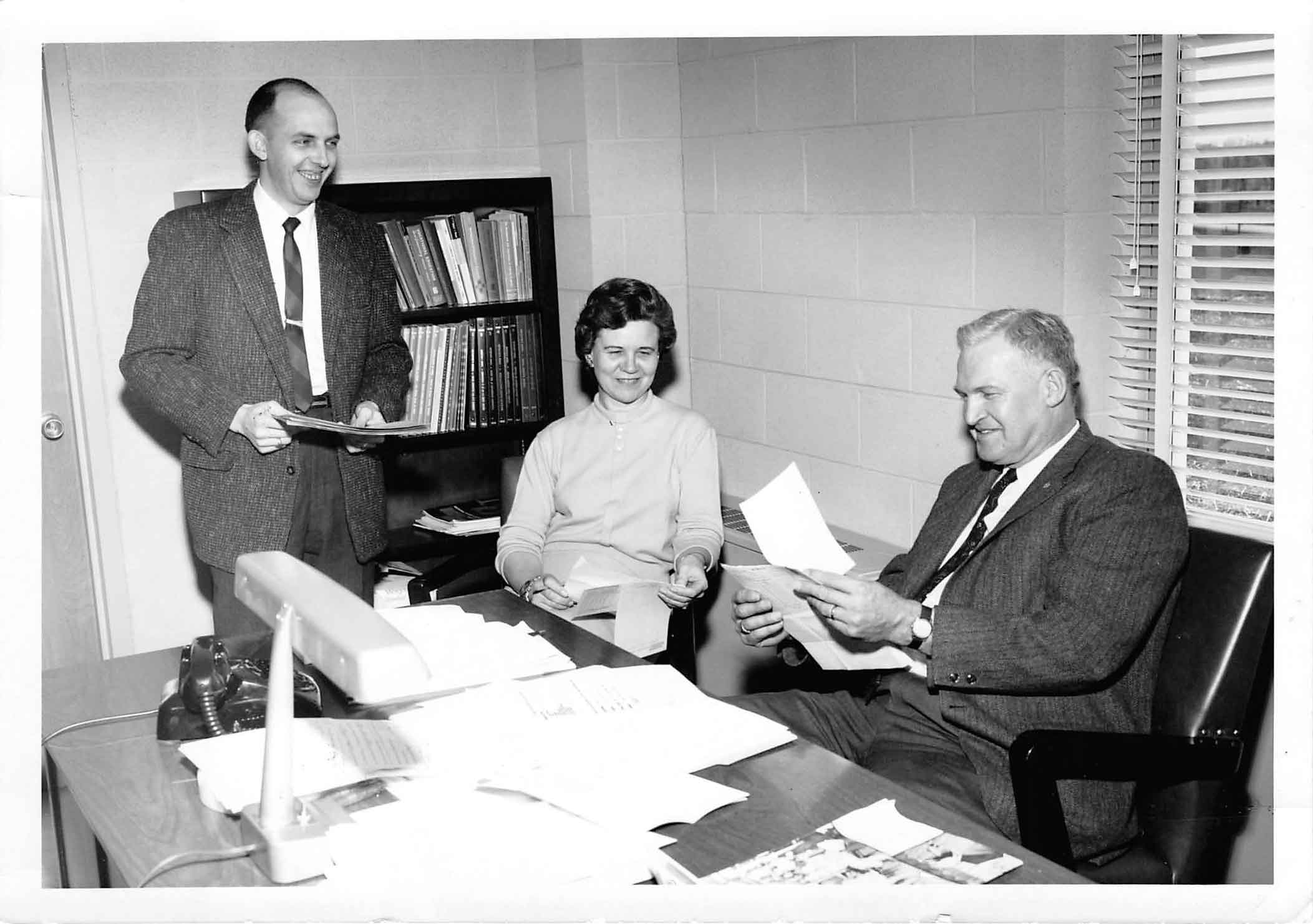
In 1965, James M. Pierce was named superintendent. Pierce was literally a one-man show with responsibilities that included public relations, marketing, faculty and staff recruiting, curriculum development, and equipment purchasing.
1966
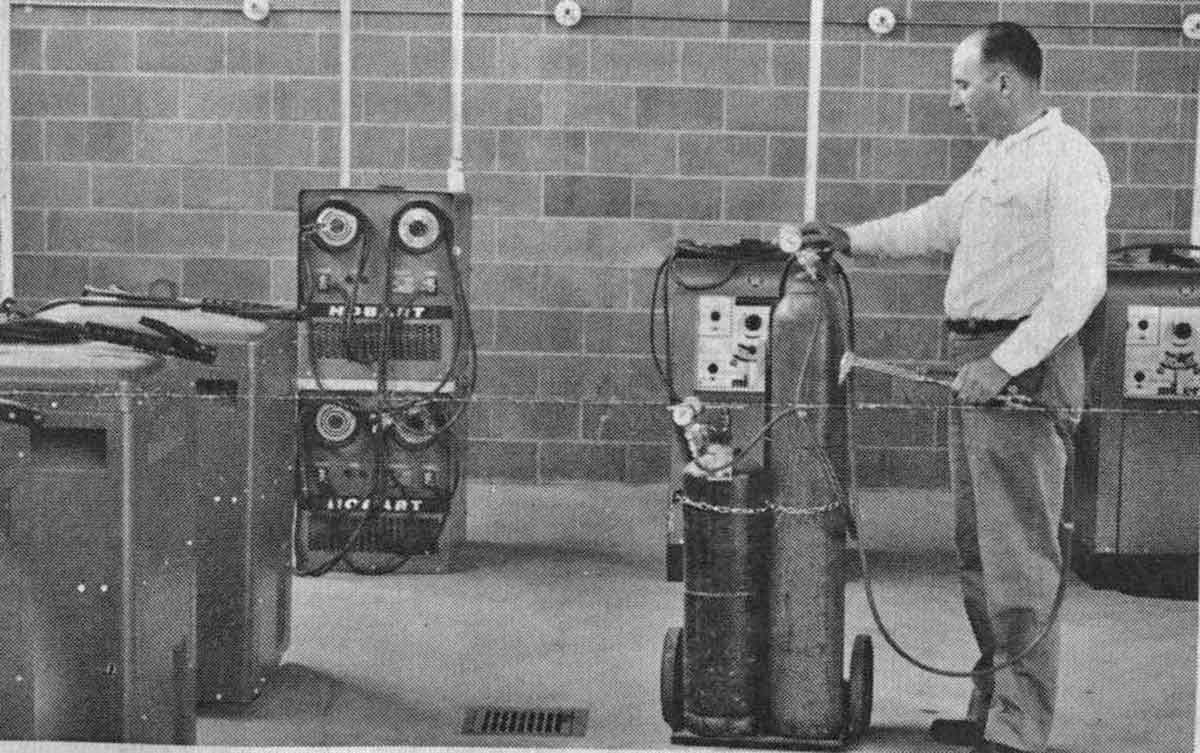
Classes began in the spring of 1966 with 35 students enrolled. Six programs were offered: Auto Mechanics, Drafting and Tool Design, Electrical Technology, Machine Shop, Office Occupations, and Welding.
1966
By the fall of 1966, 120 students were enrolled and evening classes were started with special courses for working adults.
1970s
1970
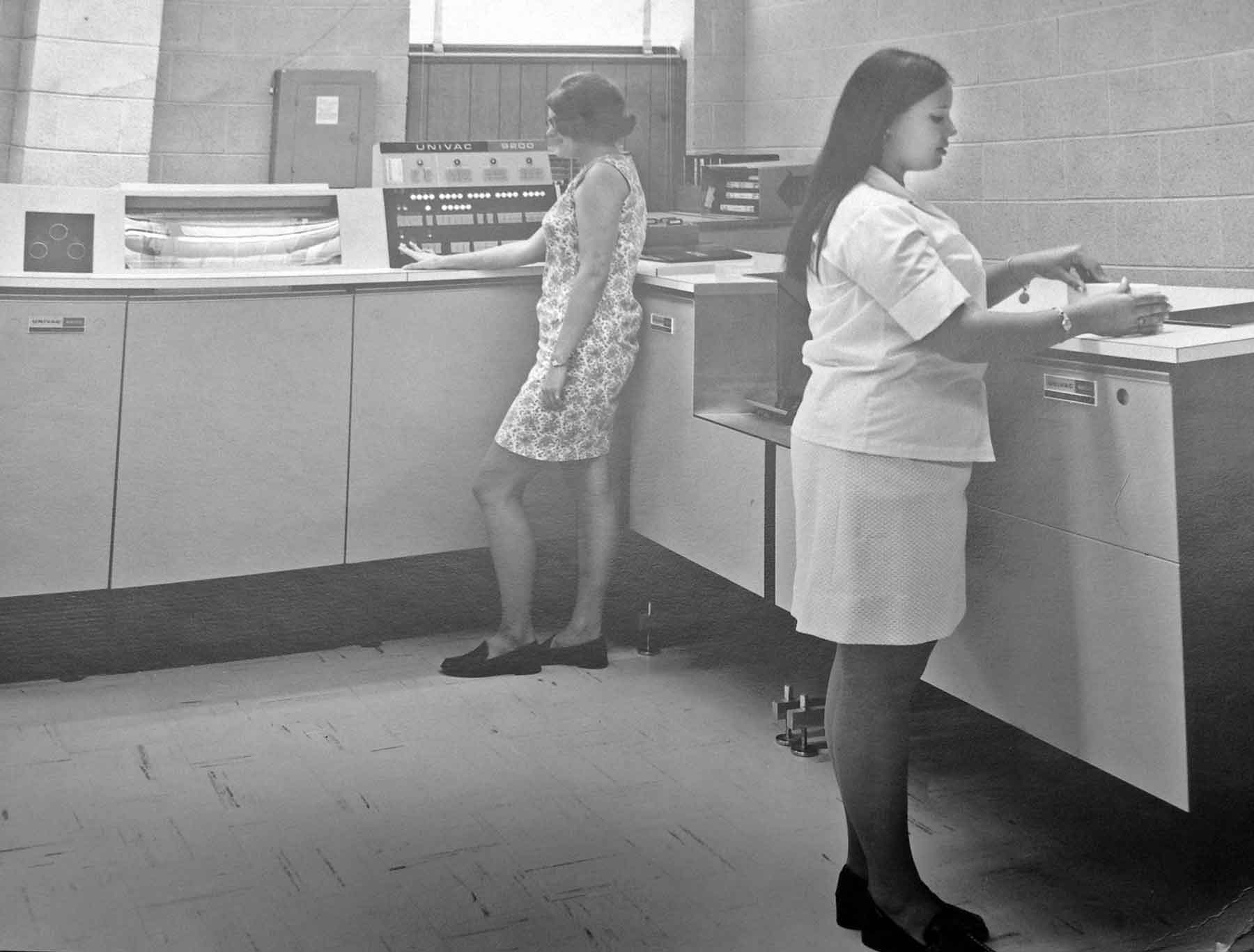
1970 By late 1969, expansion was under way for an 18,000 square-foot addition to the school, which now enrolled about 400 students. According to news reports of the day, the construction project cost $400,000 with another $300,000 allotted for equipment. The expansion brought approval from the State Board for Vocational Education in November 1970 for the creation of a Technical Division. The school’s name was changed to the Tri-Cities Regional Vocational-Technical School.
1972
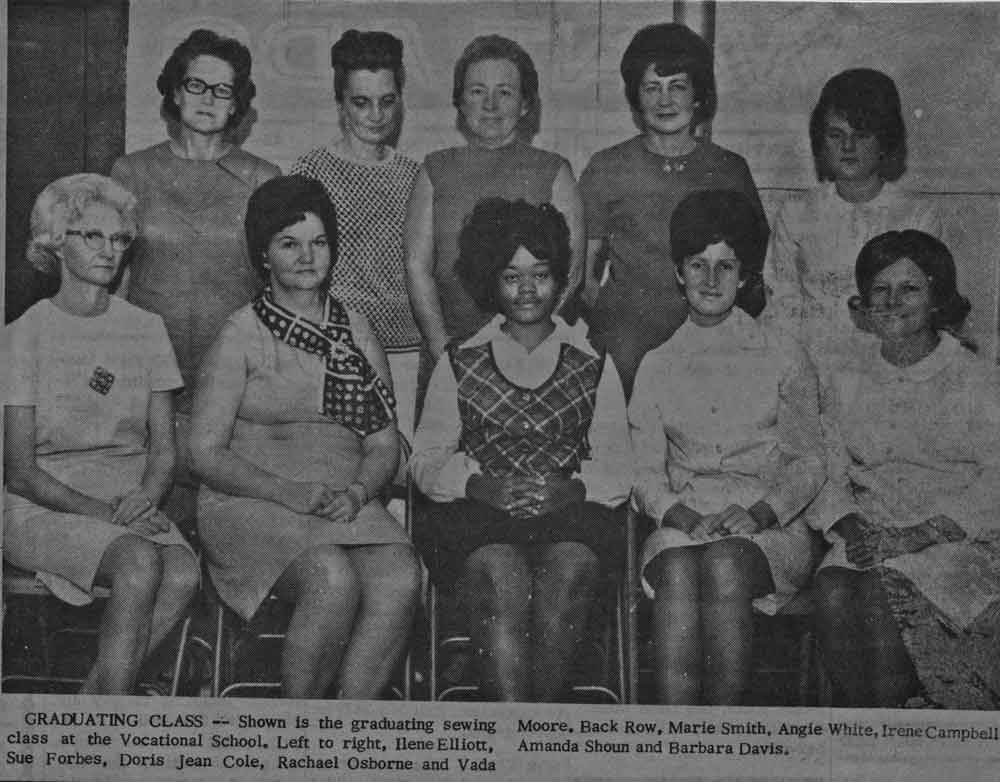
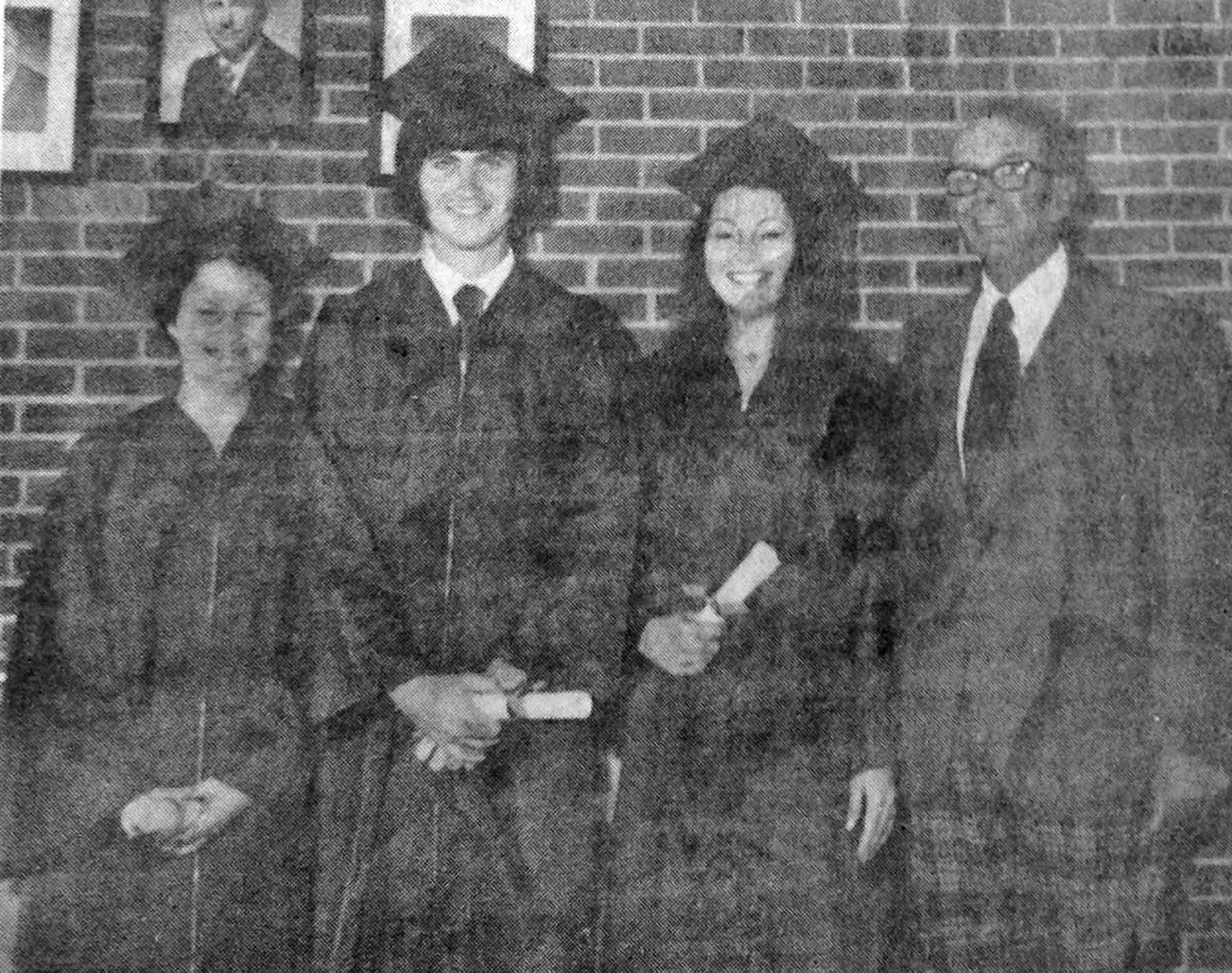
As a result, the school added associate degree programs in Electronic Engineering Technology, Mechanical Engineering Technology, and Chemical Technology. These were the first degrees of this type offered in the state, according to news reports. Enrollment was expected to grow to about 700 students over the next few years. In 1972, the school received a five-year accreditation from the Southern Association of Colleges and Schools. A 15,000 square-foot Automotive and Welding building was built in 1975 and opened for classes in 1976.
1978
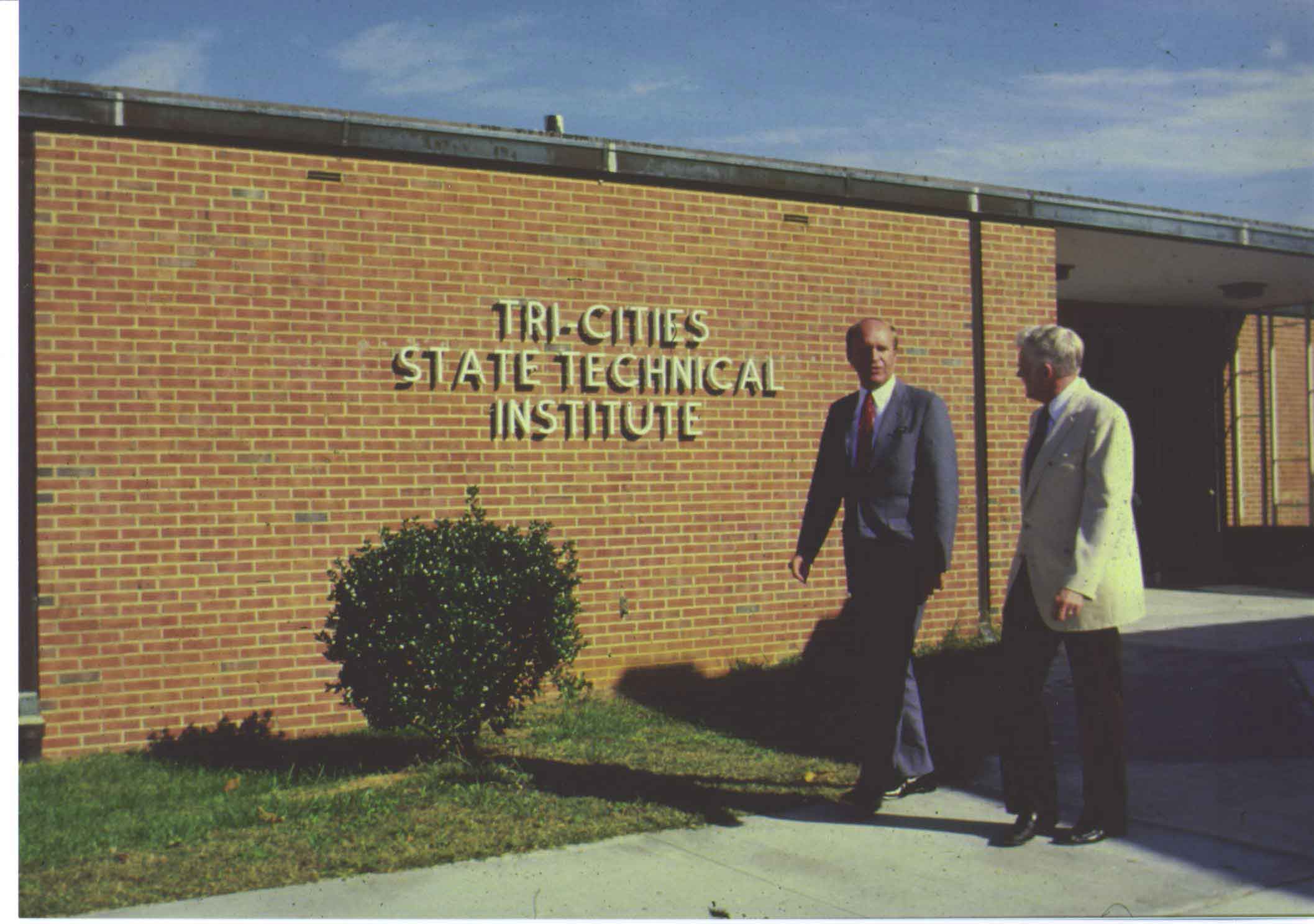
In 1978, the school’s name was changed to Tri-Cities State Technical Institute. Effective July 1, 1978, all of the school’s 16 programs became associate degree programs. At the end of the decade, enrollment had grown to 1,400 students.
1980s
1980
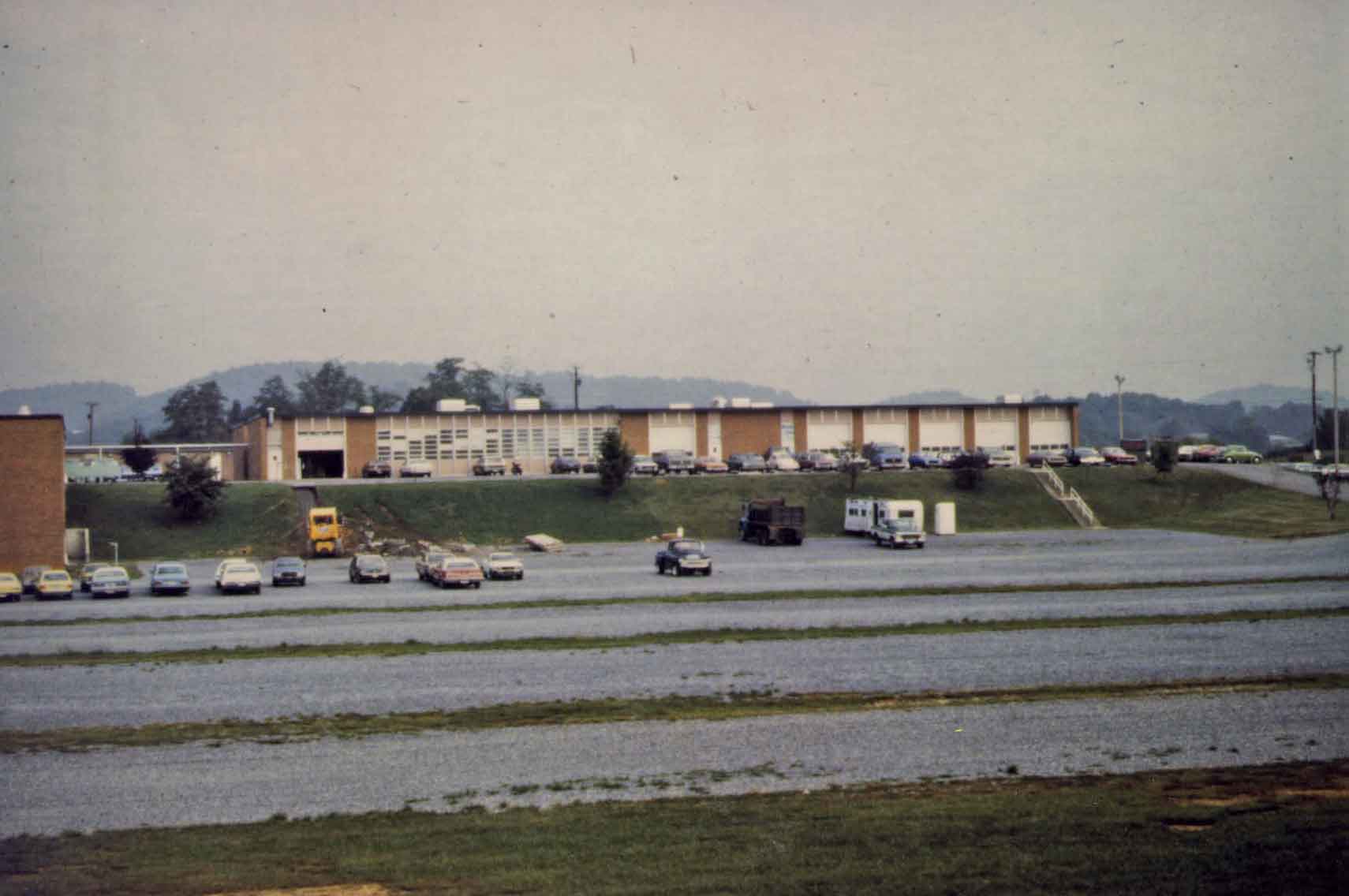
As the 1980s dawned, Tri-Cities State Tech saw enrollment jump to 1,800 students. The growth was so rapid, the school had to use the old Holston Middle School for English, math, and social studies classes.
1983
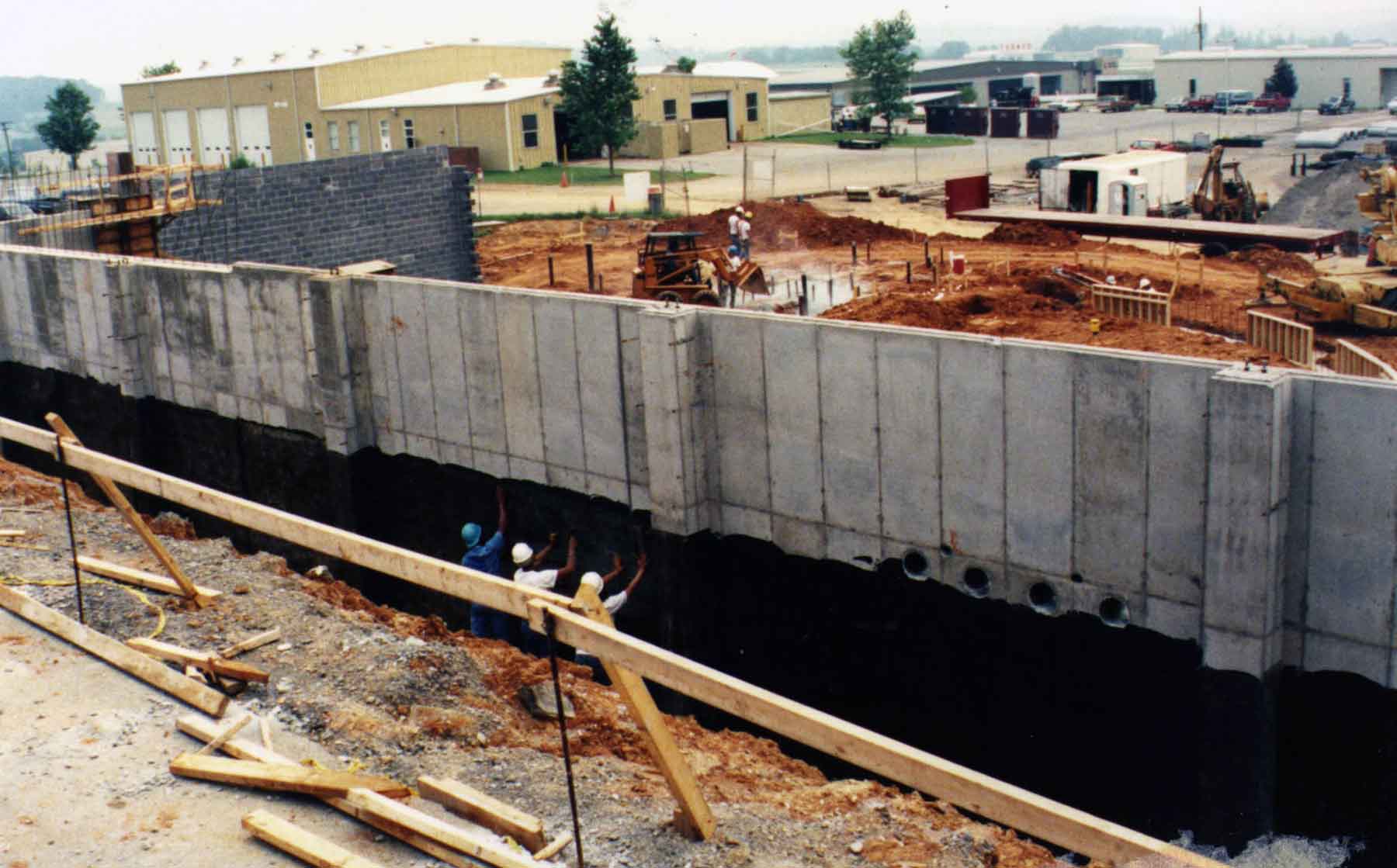
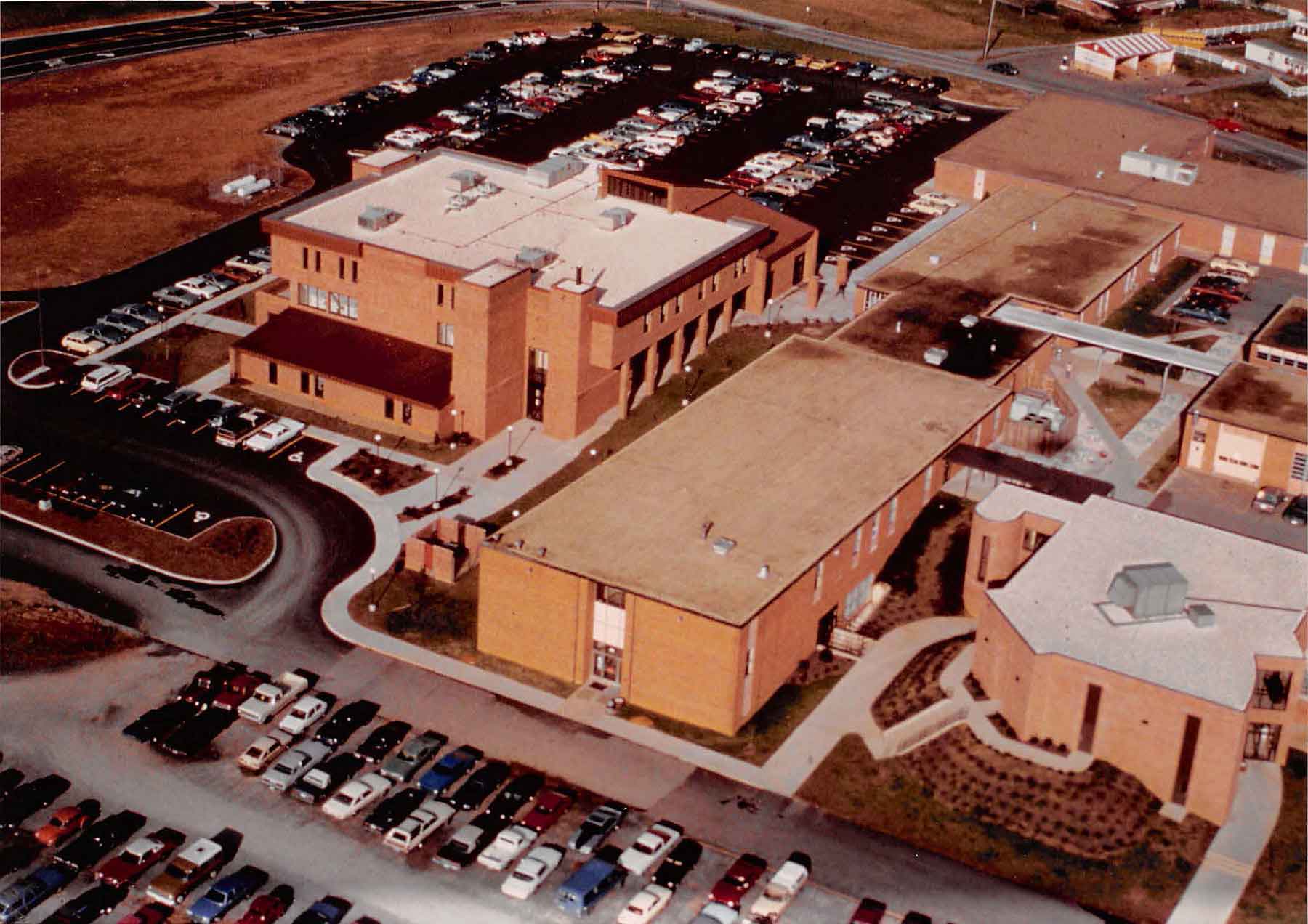
The influx of students led to several construction projects in the early 1980s. An 8,500 square-foot auditorium (later to become part of the Student Services Building) was constructed in 1982, the 32,000 square-foot Administration Building was built in 1983, and an 8,300 square-foot General Studies Building addition was finished in 1985.
1983
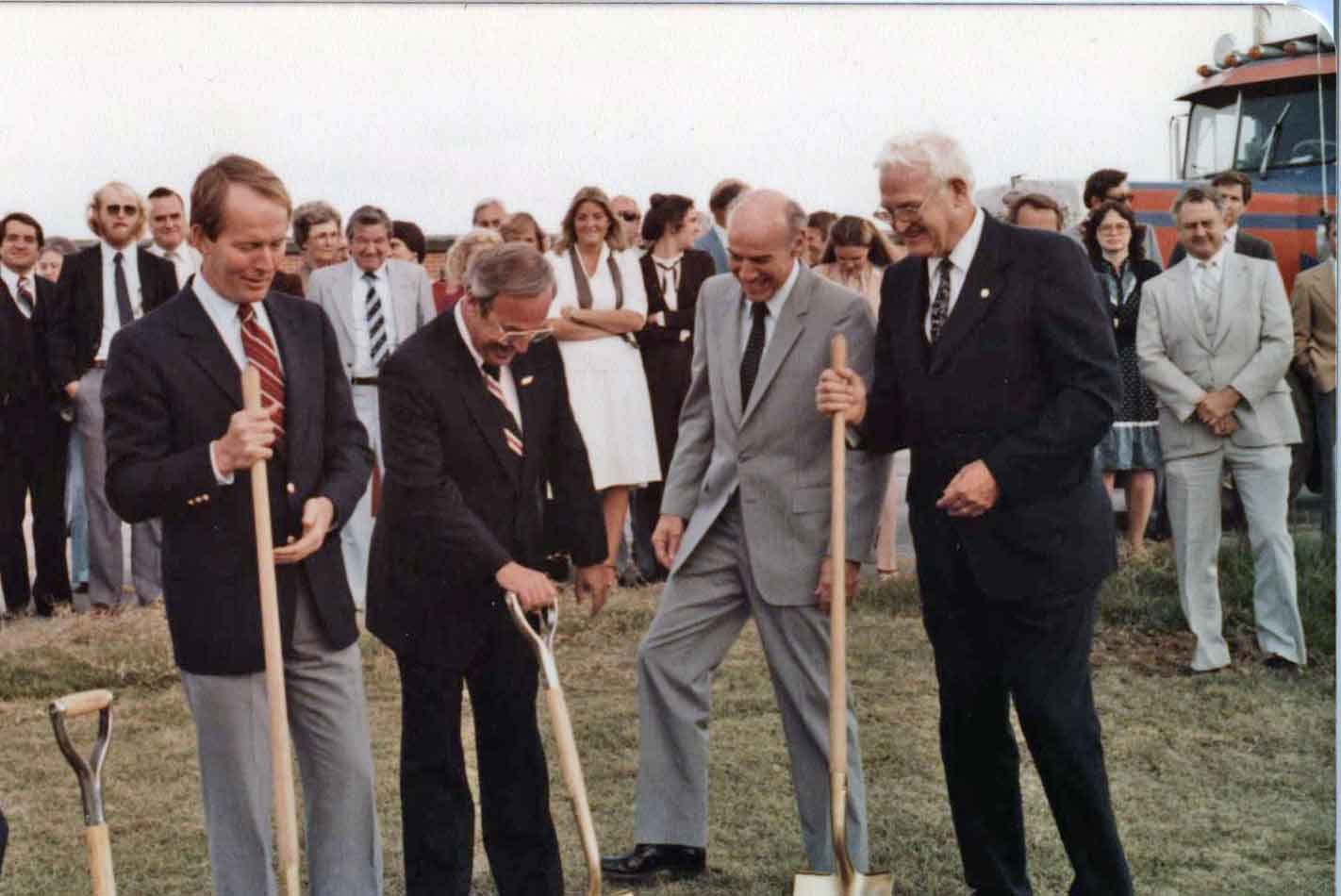
James Pierce retired in 1983 after 18 years at the helm of the school. Appropriately, the new Administration Building was titled the James M. Pierce Administration Building. Some 30 years later, the College’s first mascot – a bear - would carry his initials: J.P.
1983-87
On July 1, 1983, Tri-Cities State Tech officially became part of the State University and Community College System of Tennessee. Dr. James Owen was selected to replace Pierce and assumed duties on Sept. 19, 1983. During his watch, Tri-Cities State Tech received accreditation from the Commission on Colleges of the Southern Association of Colleges, the foundation for fund-raising and support was created, and about 60 acres of land adjacent to the campus was purchased. TBR appointed Dr. R. Wade Powers, as his replacement effective July 1, 1987.
1990s
1990
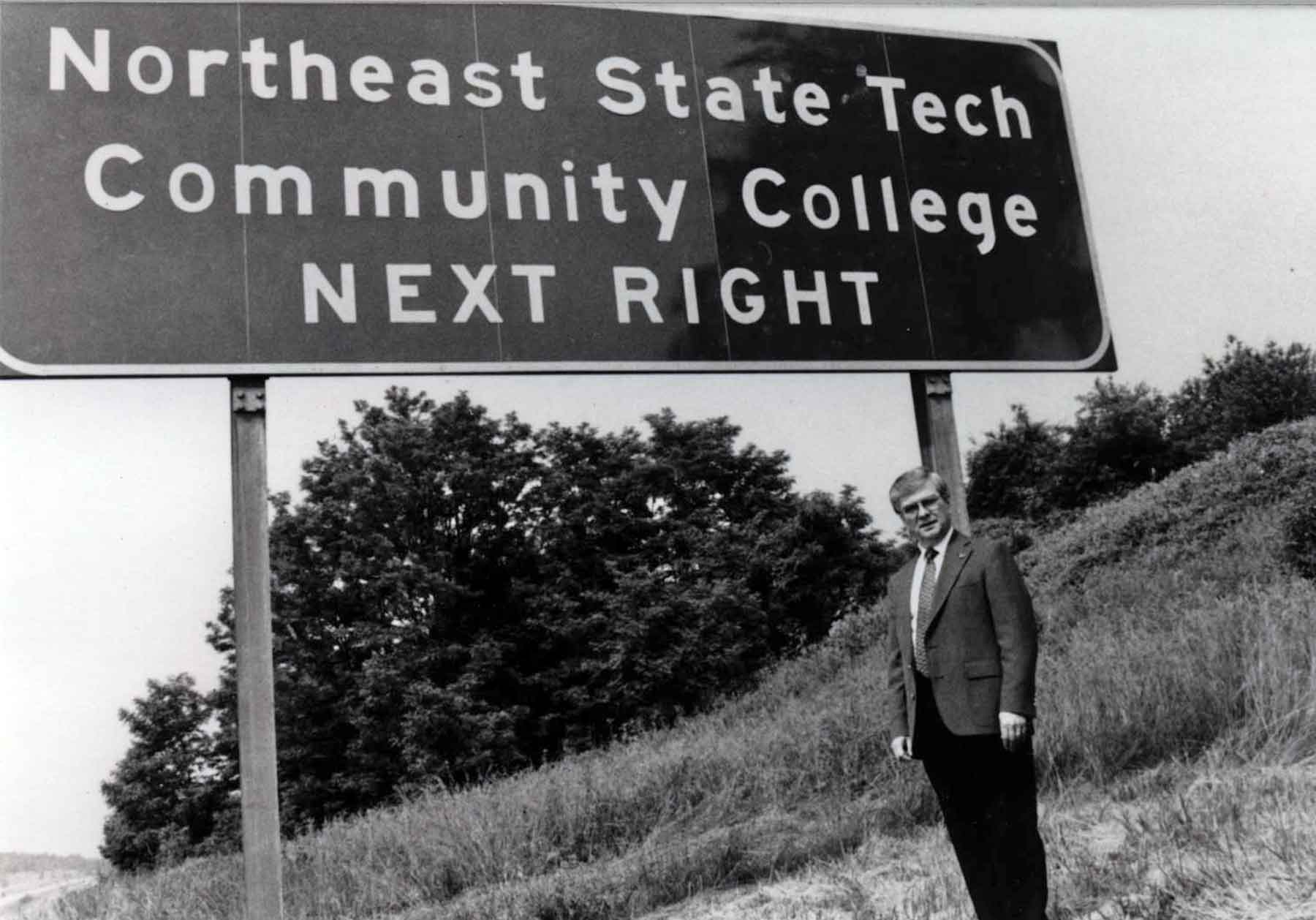
The College officially became Northeast State Technical Community College, a comprehensive community college on July 1, 1990. The change promptly increased the school’s enrollment to 2,826, a 35 percent increase over the previous year. To handle the influx of students, the College expanded offerings at off-campus sites in Bluff City, Elizabethton, Erwin, and Mountain City, as well as holding evening classes at neighboring Holston Middle School.
1991
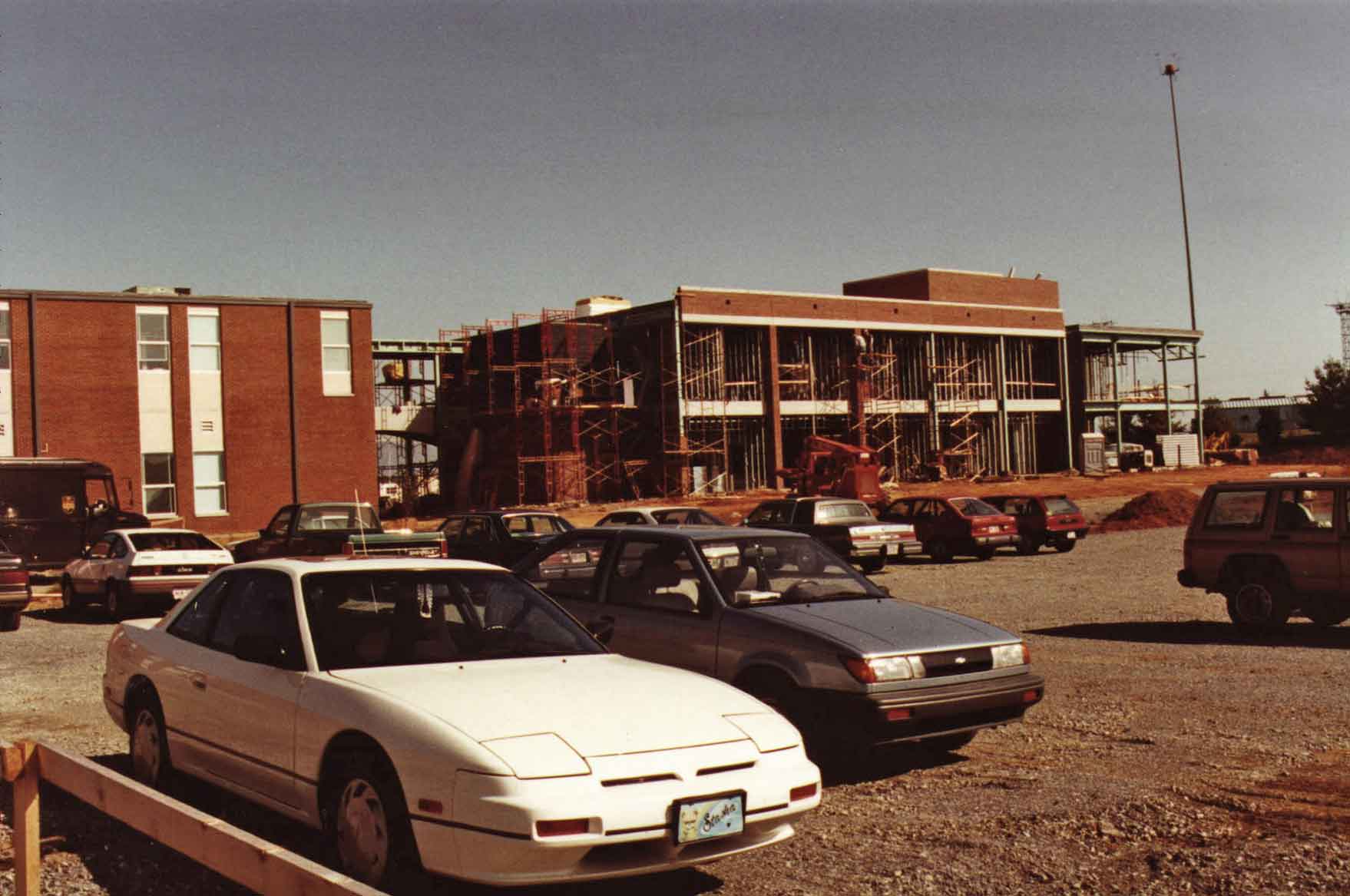
In the spring of 1991, Northeast State started construction on a $5.5 million construction project that included student services and faculty office buildings. The new buildings were unveiled July 31, 1992. The College also broke ground in November 1991 for the Center for Applied Technology in Gray, which opened in the summer of 1992.
1993
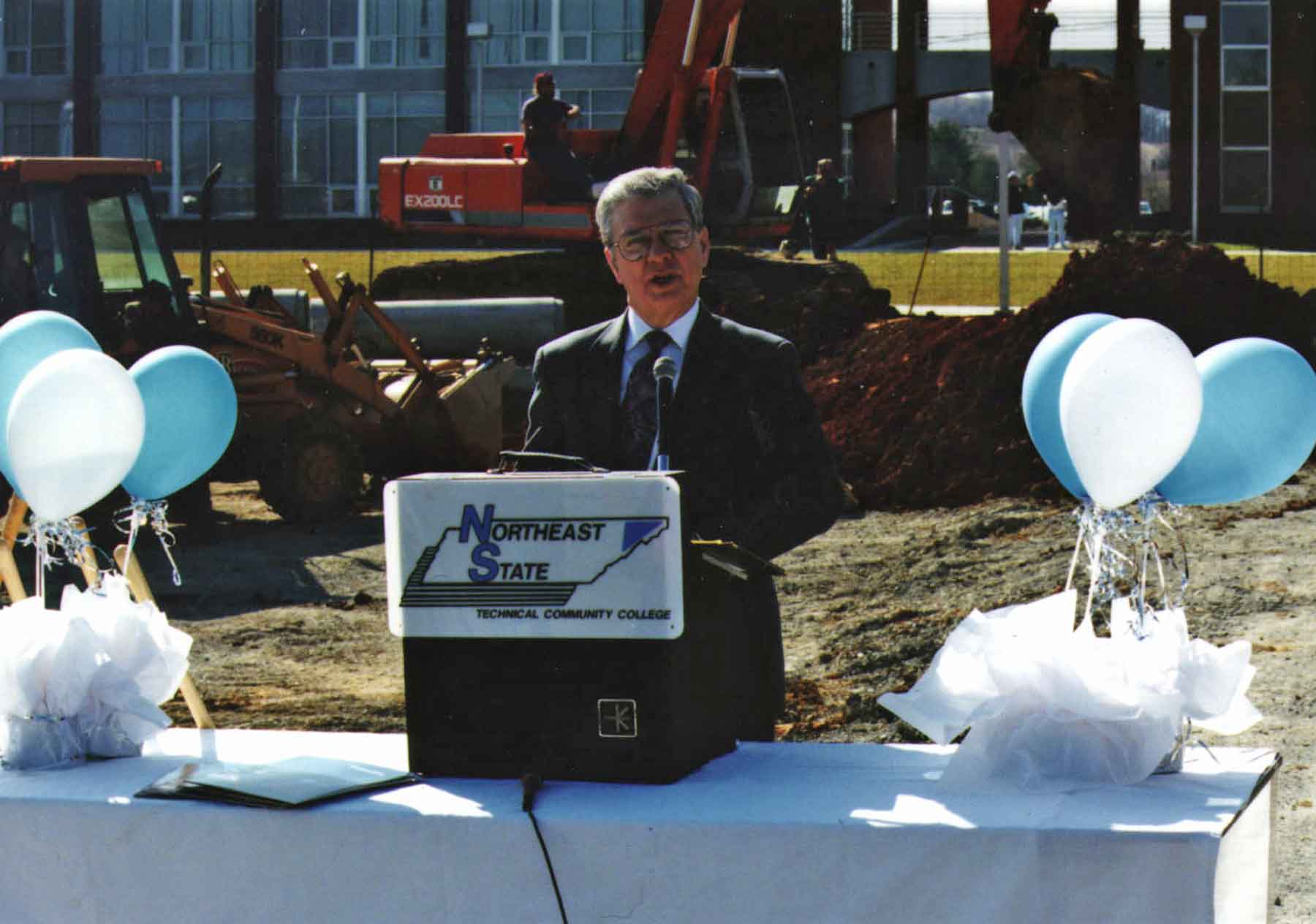
By 1993, enrollment had climbed past 3,500, prompting the Tennessee Board of Regents to approve funding for a 25,000 square-foot classroom/laboratory building. The College broke ground for the project in February 1994 and the project was completed in 1995. It would later be named the Wade Powers Science/Math Building.
1995
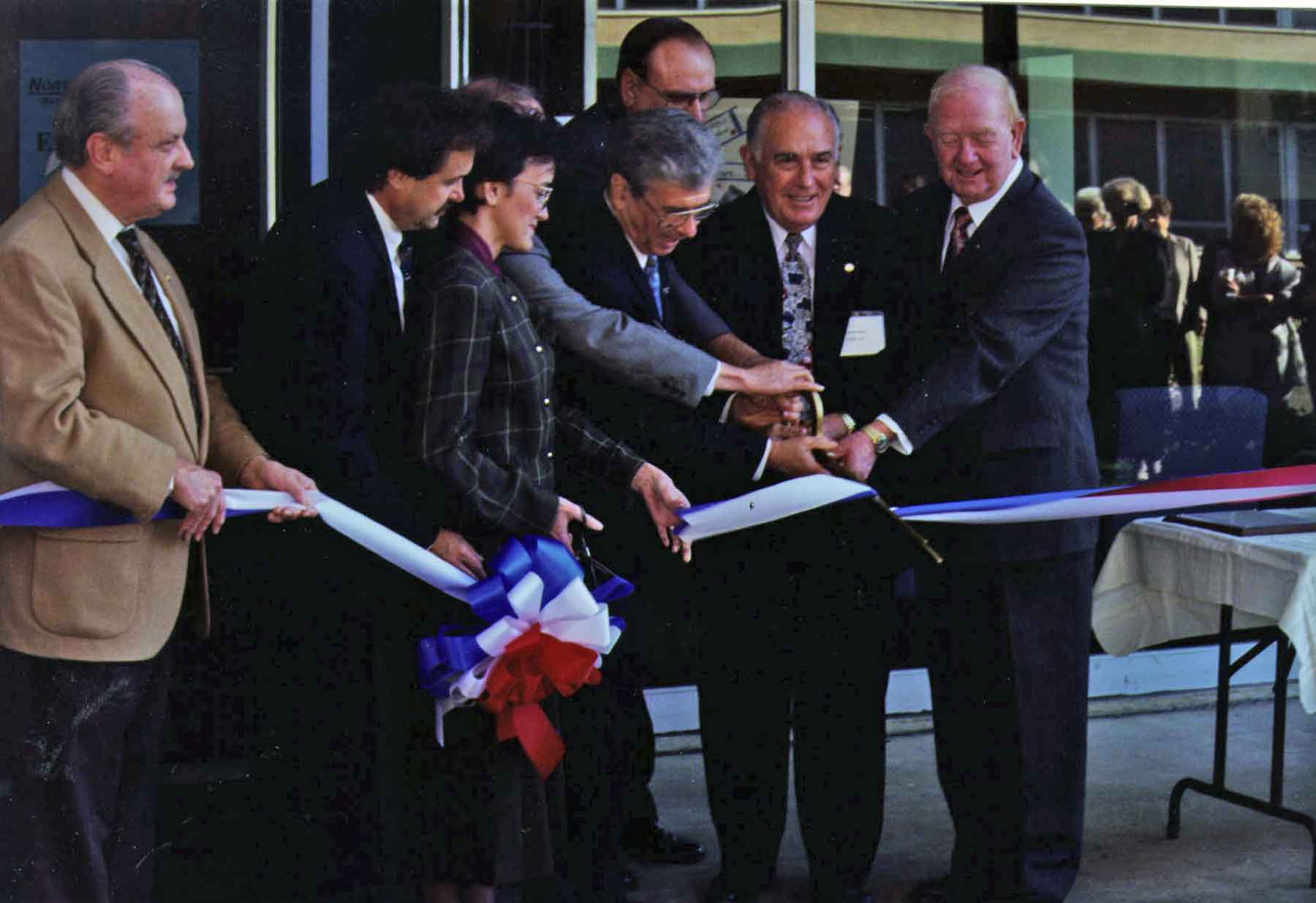
Northeast State landed a significant Department of Education matching grant designed to increase the College’s scholarship endowment. Based on a two-for-one matching component, the College was charged with raising $250,000 to achieve $500,000 in matching funds. The College achieved its goal. The award was placed, per grant regulations, in an investment account for 20 years. The $750,000 pushed the Northeast State Foundation’s endowment to more than $1.1 million.
1996
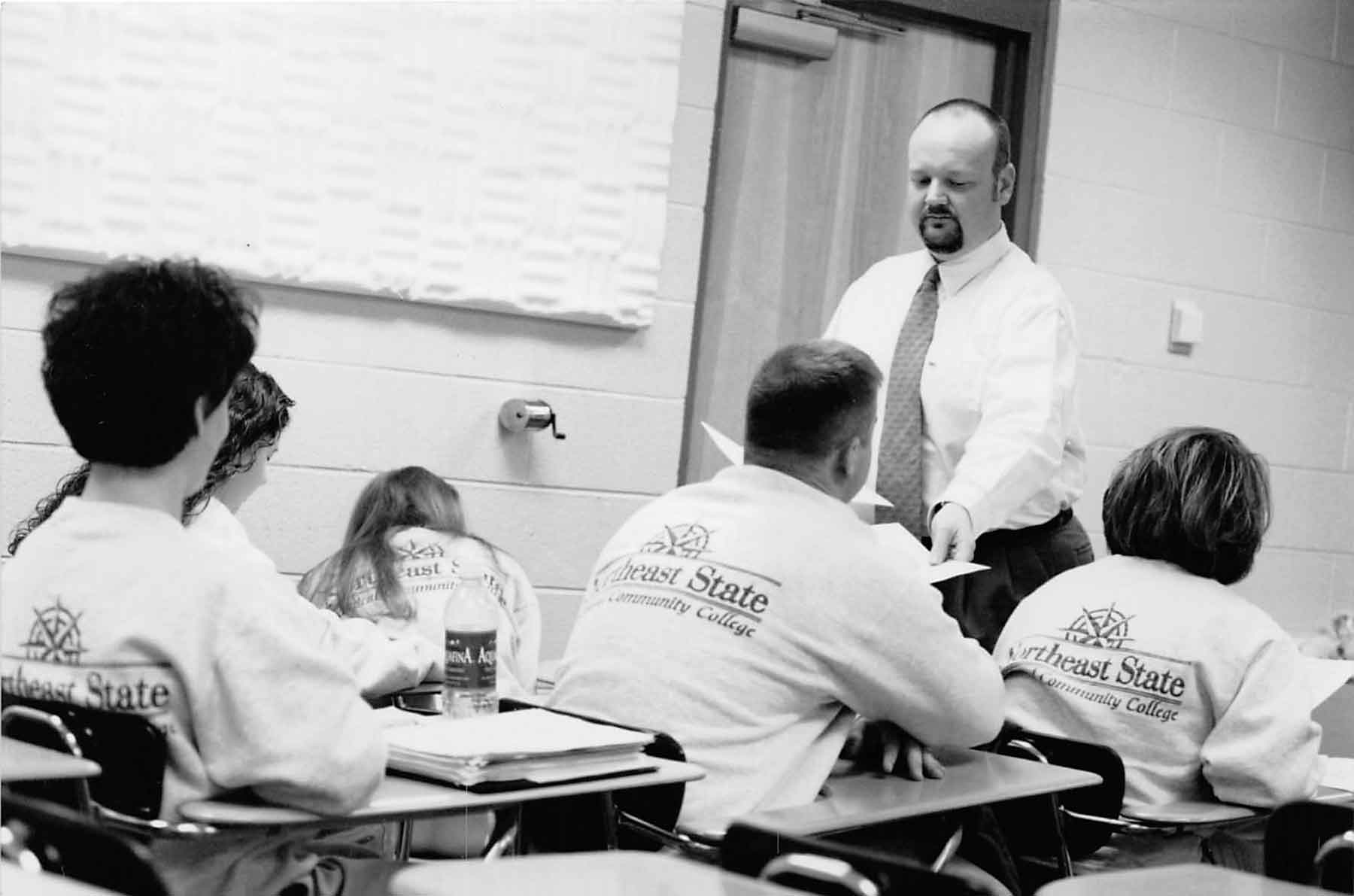
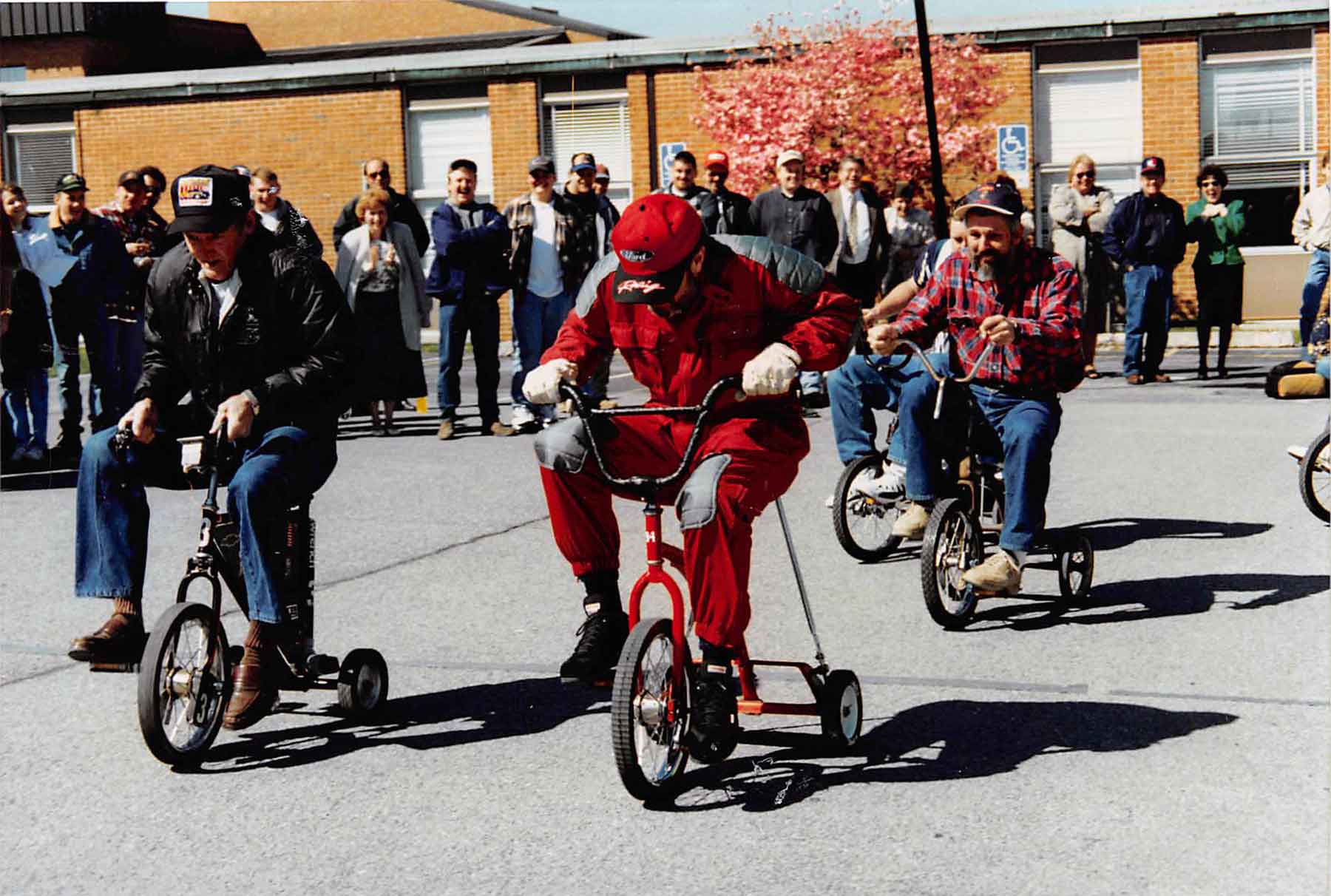
Dr. Powers announced his retirement in early 1996 and was succeeded Aug. 1 by Dr. William W. Locke who was chosen from a field of 69 candidates. The College celebrated its 30-year anniversary in 1996 with a day-long celebration that included tours, music, workshops, and storytelling.

1998
Gov. Don Sundquist authorized funds for a 55,000 square-foot, $12.8 million library. When completed the project would increase library space six-fold and provide many improvements on the campus including new parking lots, sidewalks, lighting, and landscaping. Northeast State continued to grow as well, breaking the 4,000 student barrier in fall 1999. The college posted an 18 percent enrollment growth from 1995-2000, making it the fastest growing community college or university in the state.
2000s
2002
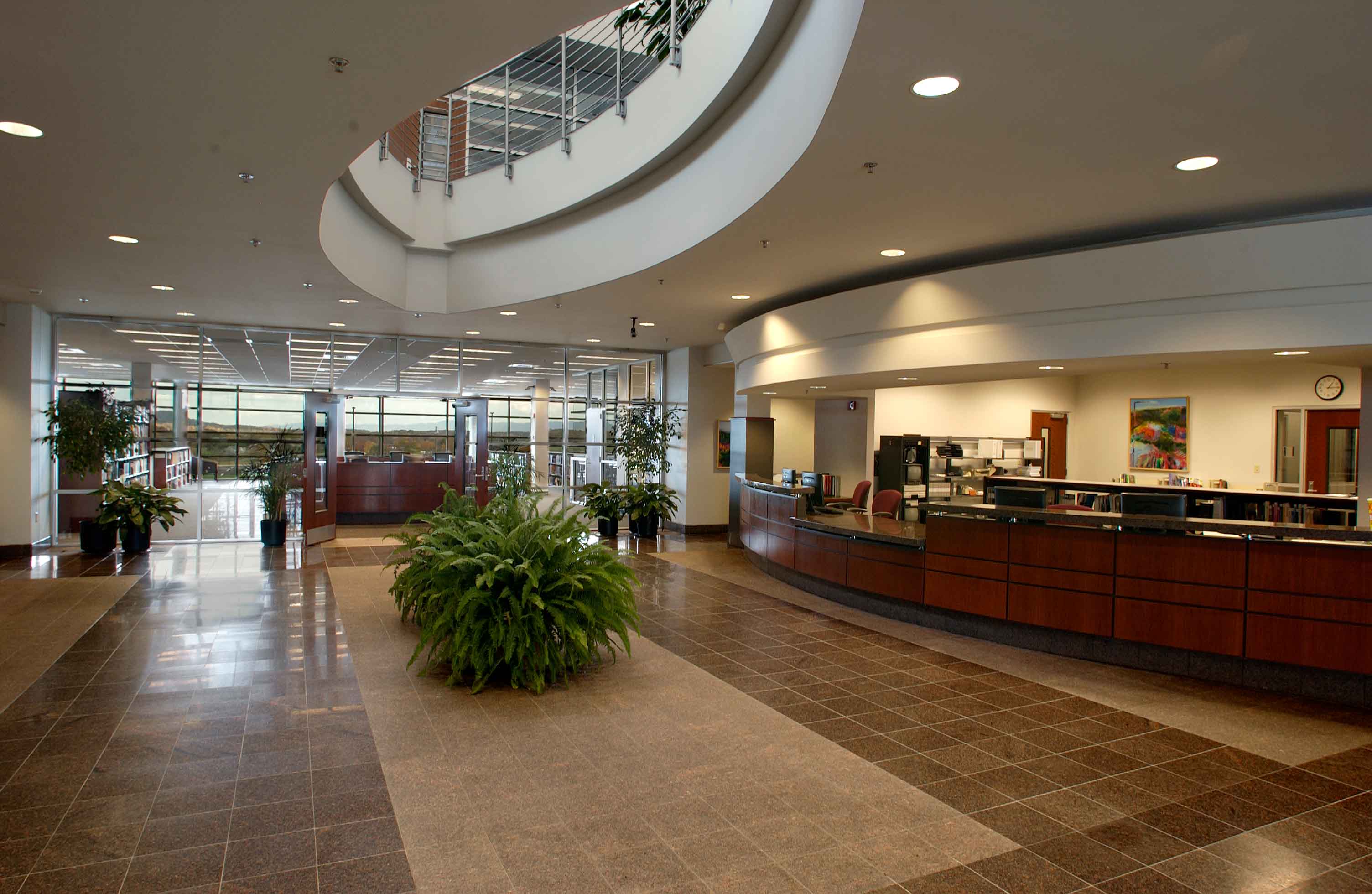
Northeast State established a partnership with the City of Kingsport and Sullivan County to create the Educate and Grow Scholarship program, which provided for two years of tuition for graduating high school students. The College realized a long-standing goal in January 2002 when a new $12.8 million, 55,000 square-foot library opened its doors. The facility was dedicated in May in honor of Wayne G. Basler, a long-time supporter of Northeast State.

2002
Northeast State graduate Kelly Wirt-Abon was bestowed a great honor in 2002 when she received the Outstanding Alumni Award from the American Association of Community Colleges. Kelly, a 1996 EMT-Paramedic graduate, served from 1996-2001 as a health care provider for a village of 5,000 natives in the Marshall Islands. The college also opened the Regional Center for Applied Technology on Sept. 9, 2002.
2002
The footprint for the College’s expansion into the City of Kingsport with the downtown opening of the Regional Center for Applied Technology on Sept. 9, 2002.
2004
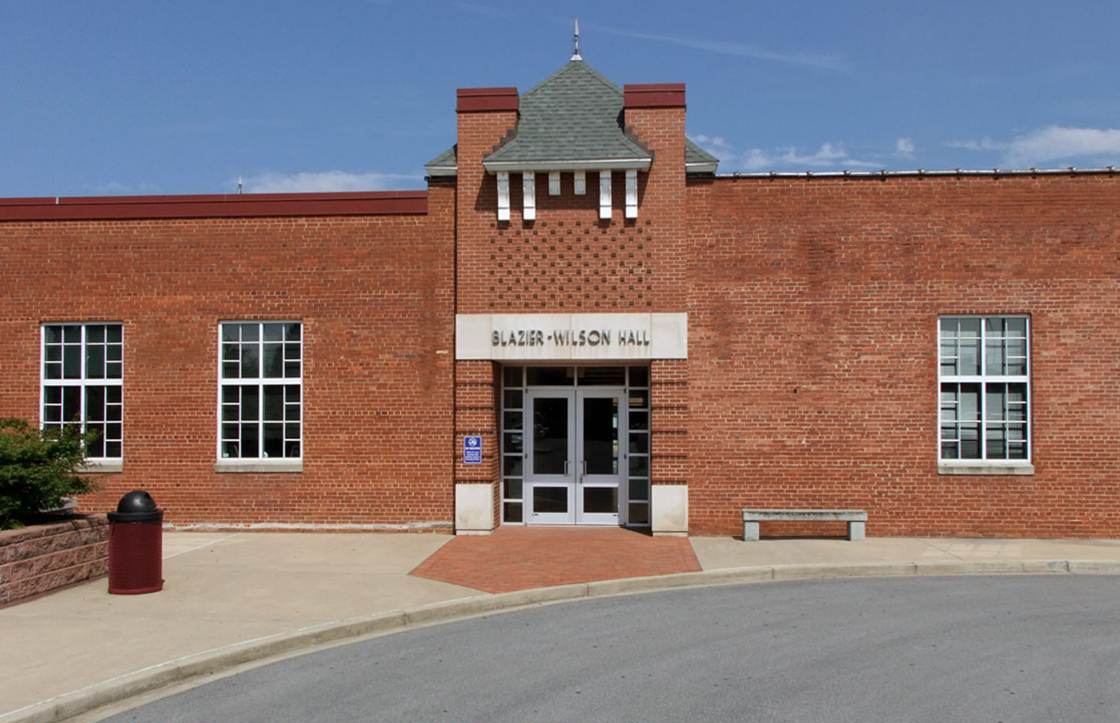
In fall 2004 when enrollment exceeded 5,000. Also that year, an economic study reported the College contributed $213 million to the regional economy between 1999 and 2004.
2006
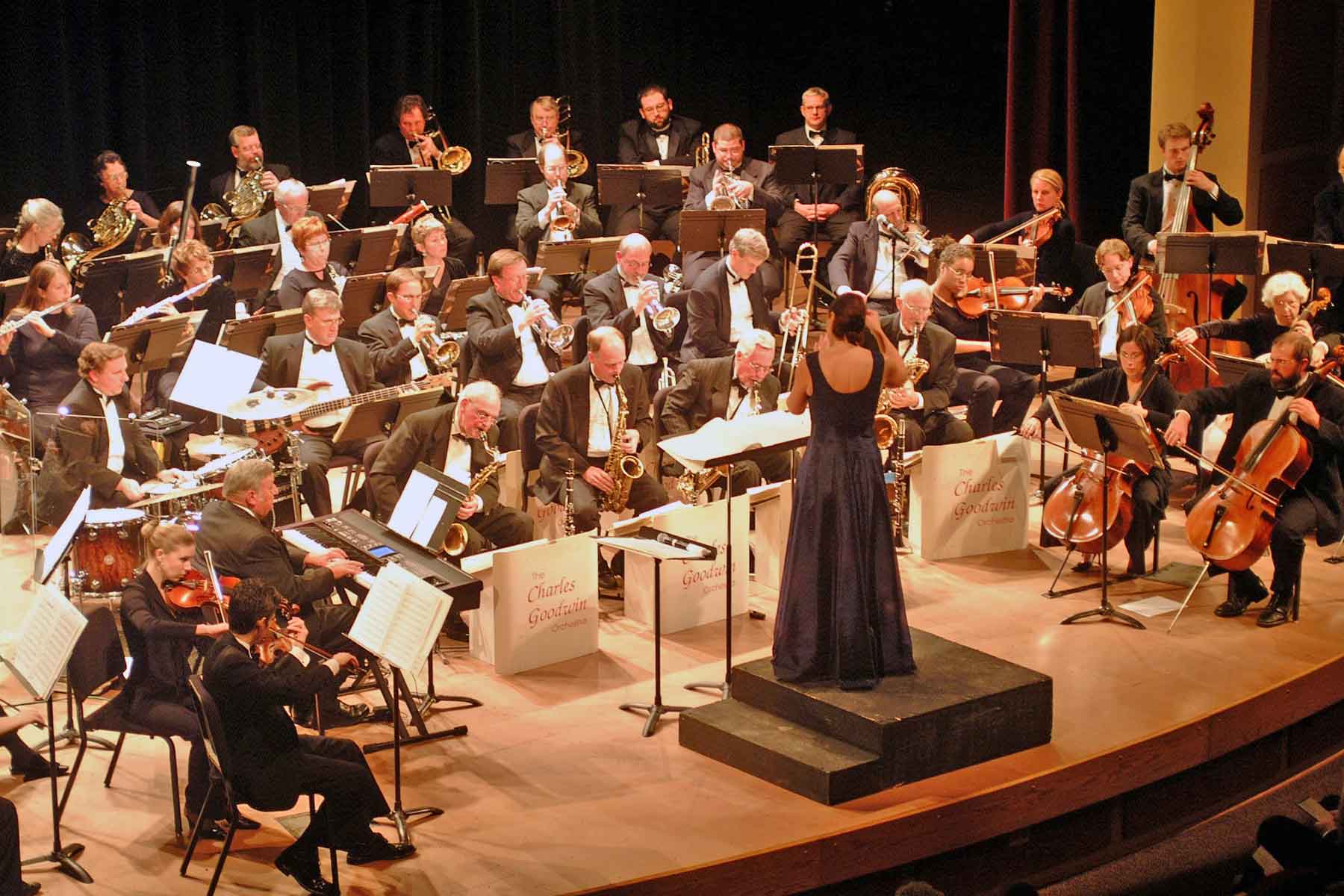
In spring 2006, construction was started on a new $15 million Humanities Complex on the Blountville campus. Building plans included the expansion of classrooms and offices for the Humanities and Behavioral/Social Sciences divisions, as well as a 500-seat theater for the performing arts. The complex was finished and occupied in 2007. The building was named the William W. Locke Humanities Complex.
2007
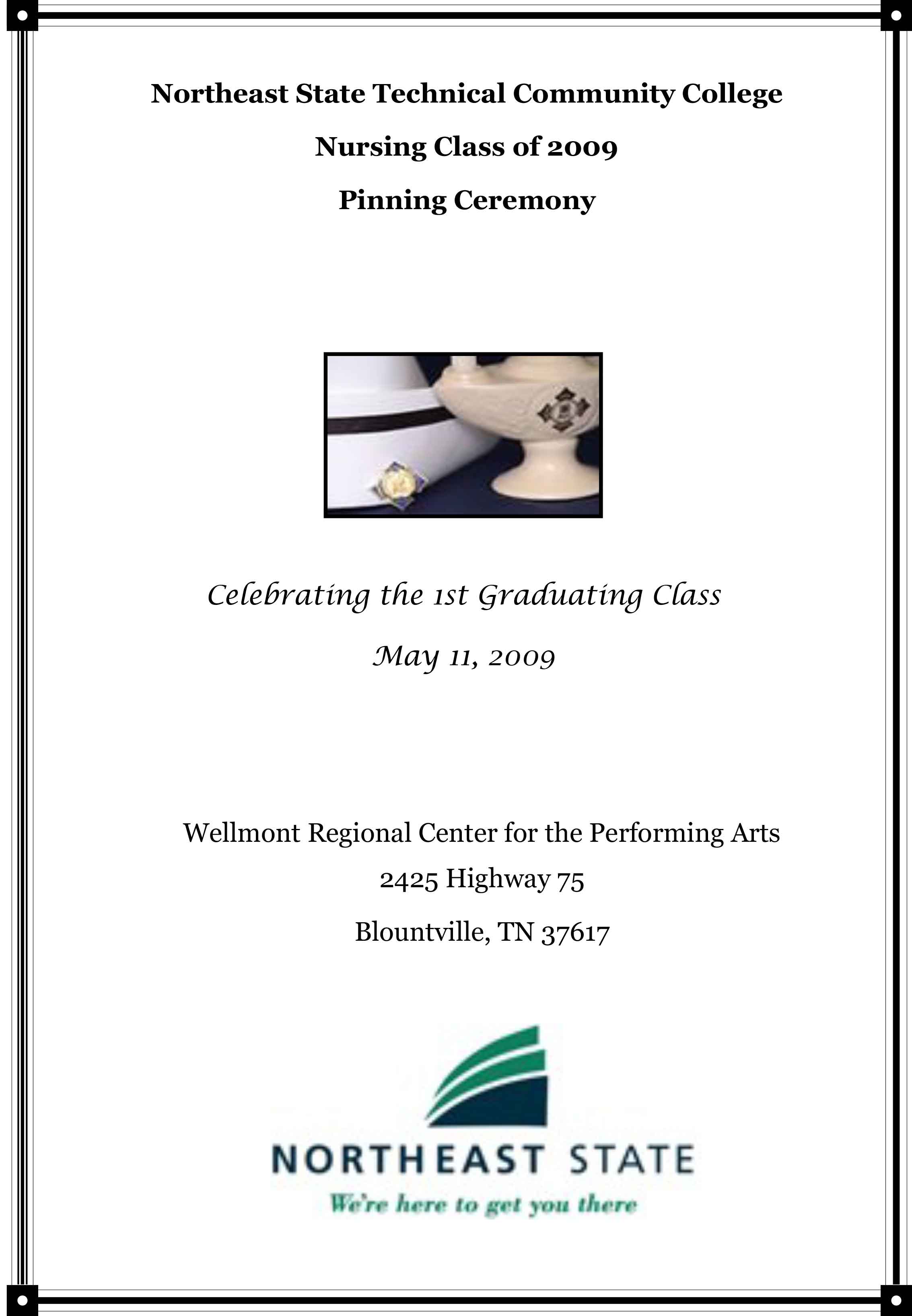
In 2007, the State Board of Nursing approved the college’s proposal to admit students into the college’s new associate of applied science in nursing degree program. It was the first associate degree nursing program approved by the State Board in seven years.
2008
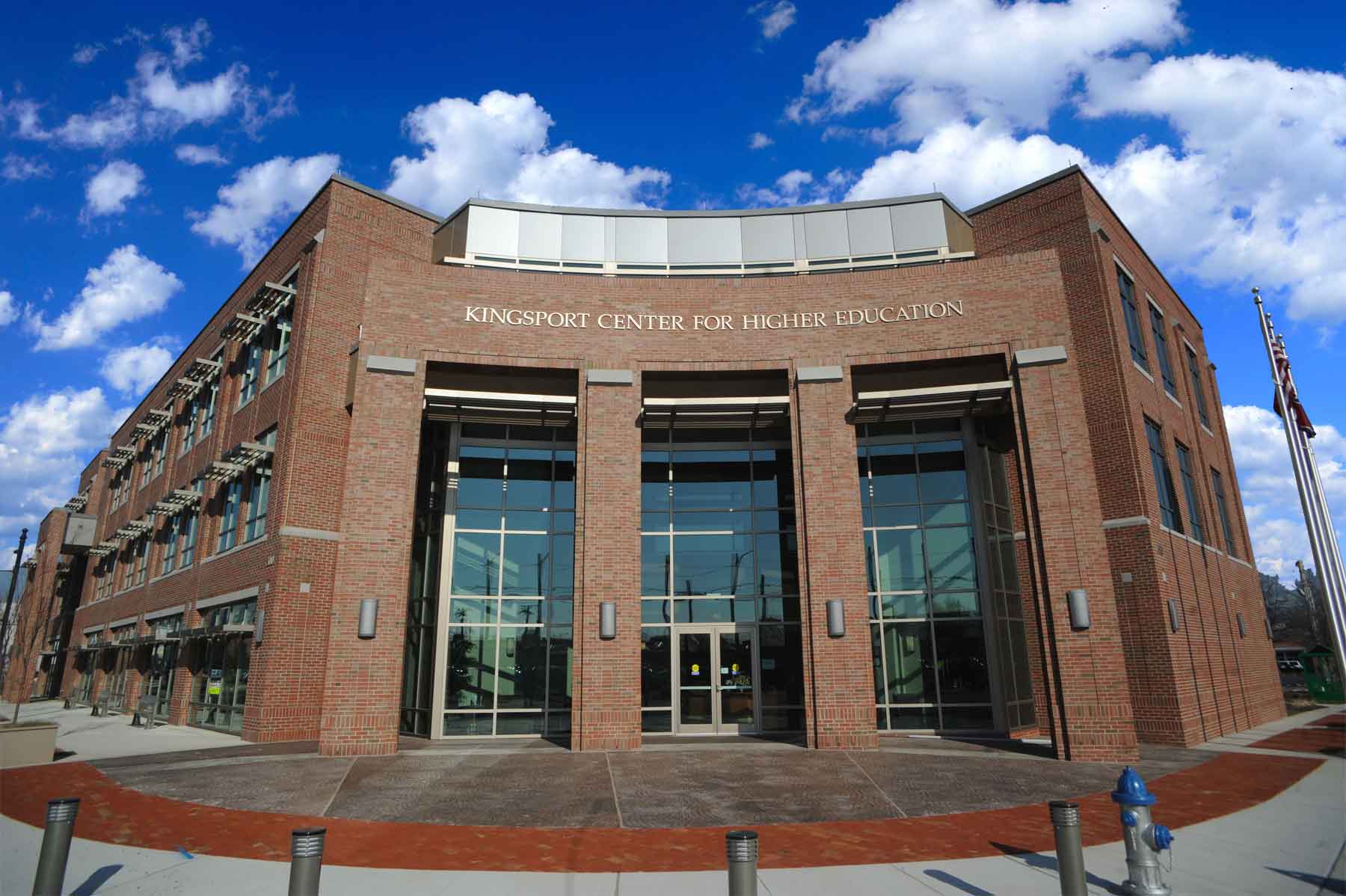
As the decade neared it close, the City of Kingsport and Northeast State realized a collaborative vision for higher education and workforce development in downtown Kingsport. Known as the Kingsport Academic Village, the effort produced the construction of three new buildings: the Regional Center for Health Professions, the Regional Center for Advanced Manufacturing, and the Kingsport Center for Higher Education.
2009
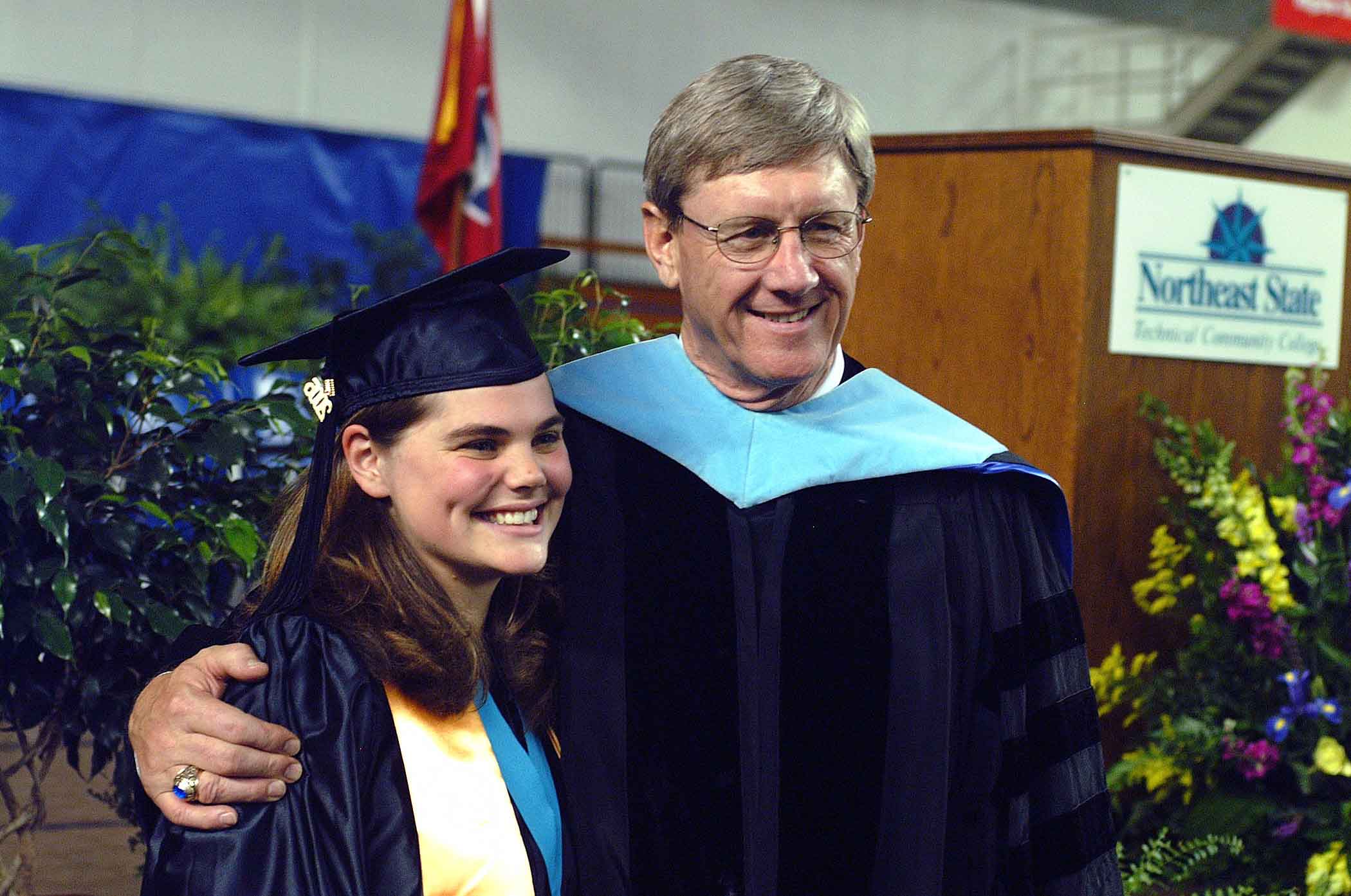
After 13 years at the helm, Dr. Locke announced his retirement effective June 20, 2009. He was succeeded by Dr. Janice H. Gilliam, vice president of Student Development Services at Haywood Community College in North Carolina. The College once again changed names on July 1, 2009, becoming Northeast State Community College. It also realized a 14.6 percent growth in enrollment in fall 2009.
2010s
2010
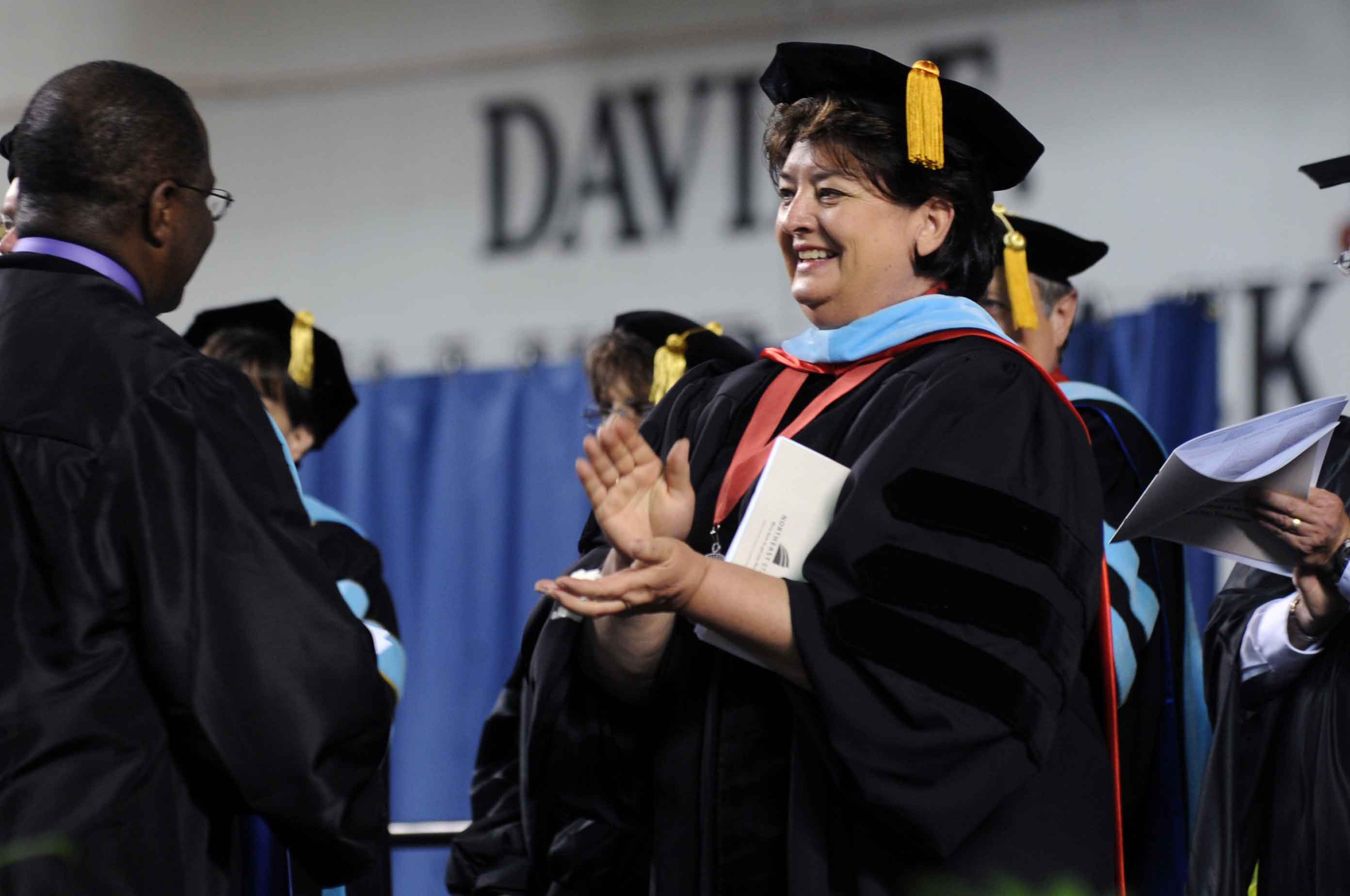
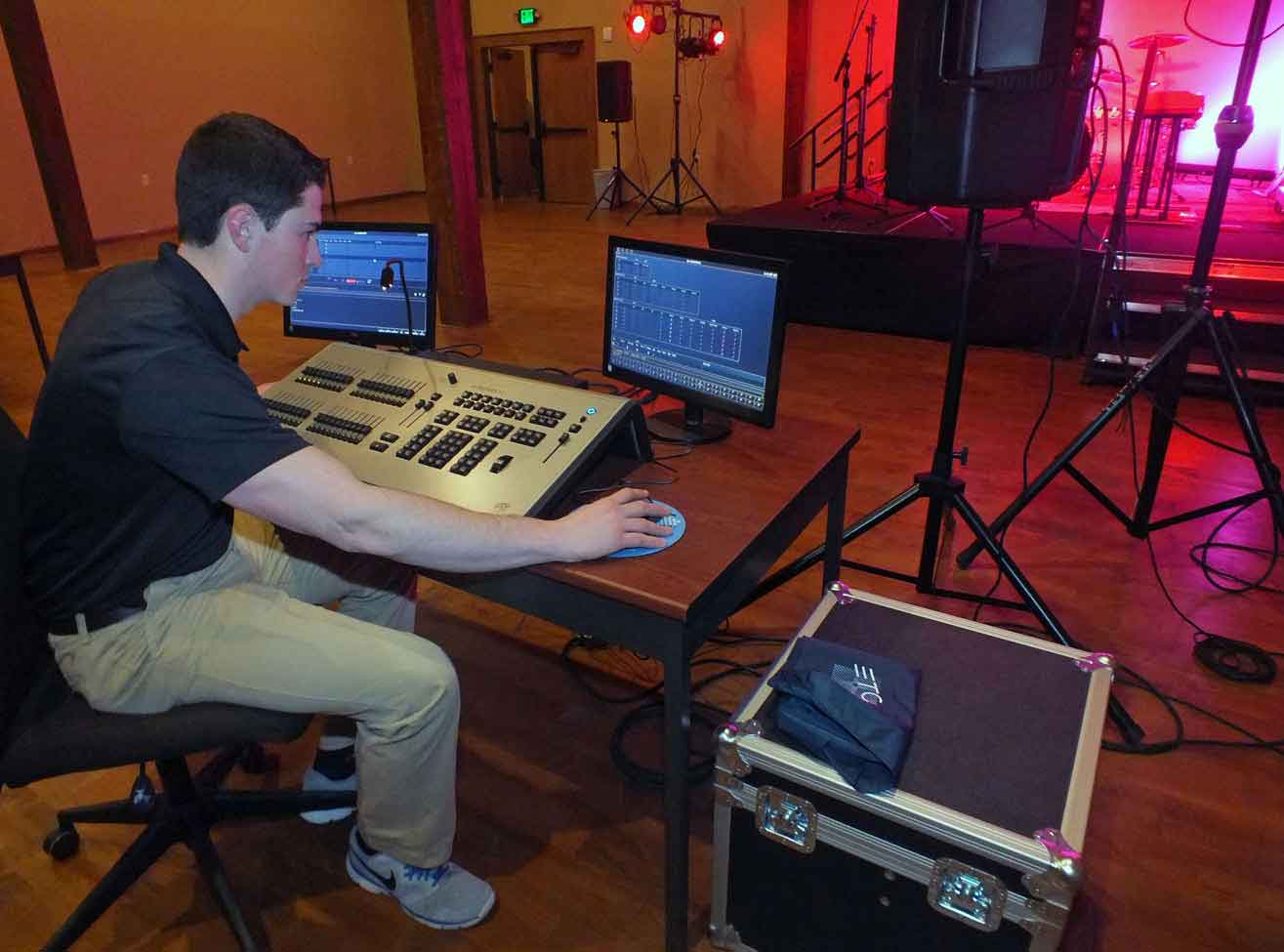
Northeast State enrollment climbed to new heights as the College welcomed 6775 students for the fall semester, making it the fastest growing community college in the Tennessee Board of Regents (TBR) system. Dr. Janice Gilliam encouraged faculty and staff with a vision of “Access, Completion, and Community” to turn the Act’s challenges into reality. The College responded to the test with a number of initiatives. Redesigned Learning Support courses, a common course numbering system to support the transfer process, and sustainability efforts to save resources and energy
2013
A long awaited technical education building to replace the first structures on campus was placed on the capital projects in 1989. The project came to fruition in 2013 when Gov. Haslam approved $35.5M for construction of the new Emerging Technologies Complex. The complex is the largest capital project in TBR community college history. The facility will house Business and Advanced Technologies programs.
2014
The College started an Aviation Maintenance Technology program in fall 2014, offering a 29-hour certificate.

2015
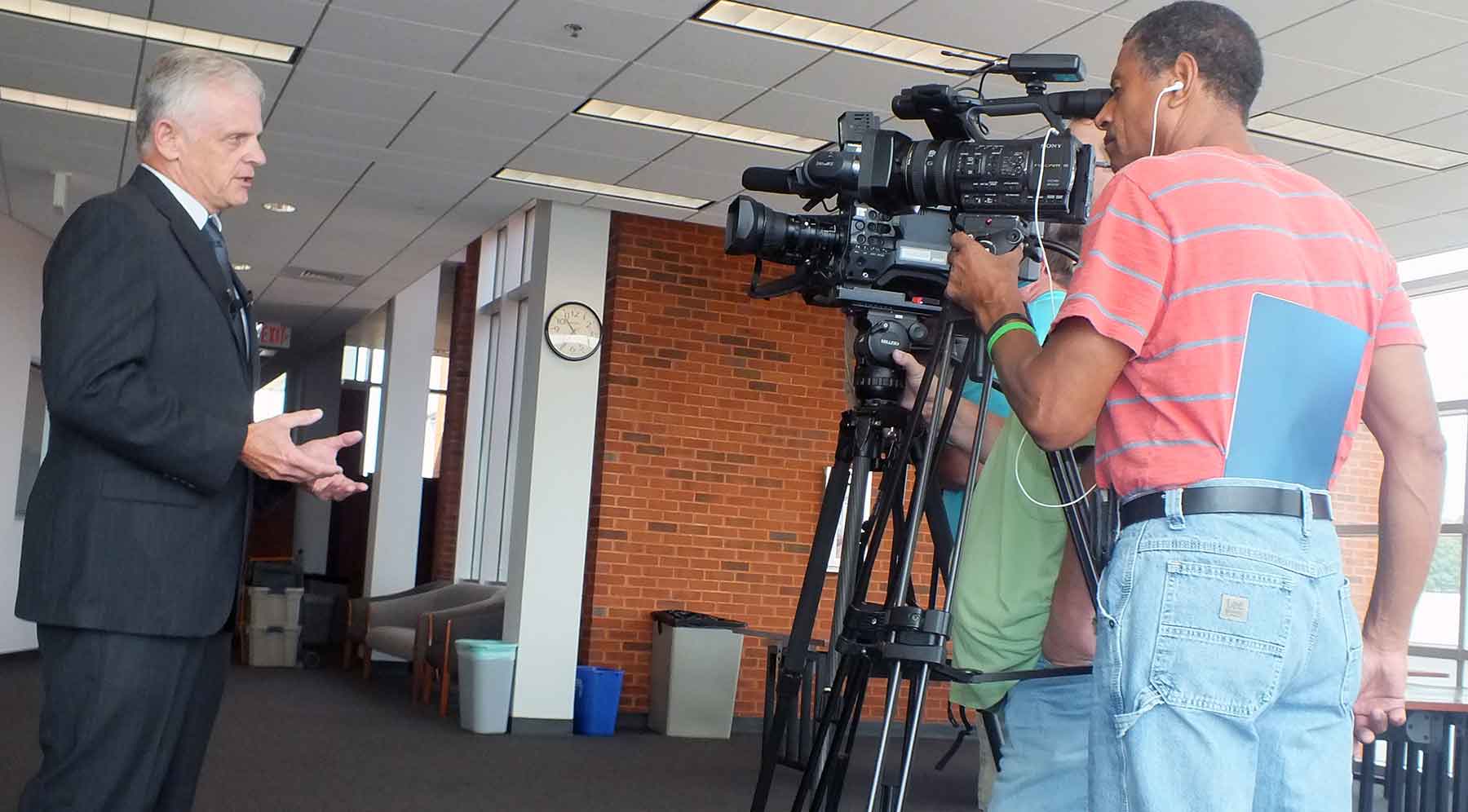
The Tennessee Legislature passed Gov. Haslam’s Tennessee Promise initiative in 2015, providing a scholarship and mentoring program for high school seniors. Students may use the scholarship at any of the state’s 13 community colleges, 27 colleges of applied technology, or other eligible institution offering an associate’s degree program. The scholarship pushed the College’s enrollment up 4.1 percent to 6,082 students.
2016
In January 2016, Northeast State at Elizabethton marked its 20th anniversary serving Carter County. Enrollment climbed to over 500 students each semester, and more than 100 distinct courses were offered. The campus also enhanced its infrastructure, adding classrooms, laboratories, and an expanded Learning Resource Center to accommodate increased enrollment.
2018
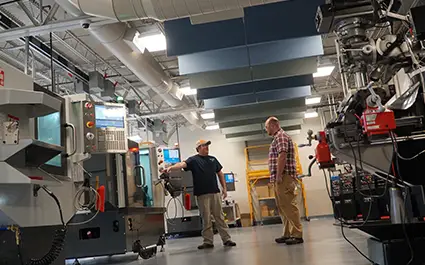
In the Spring semester of 2018, Northeast State expanded the Regional Center for Advanced Manufacturing with the new RCAM Academy, a 15,000 square foot facility built to support growing technical training and dual enrollment. The addition provided new machining labs, classrooms, and offices, strengthening advanced manufacturing programs and meeting rising regional demand for skilled workforce preparation.
2019
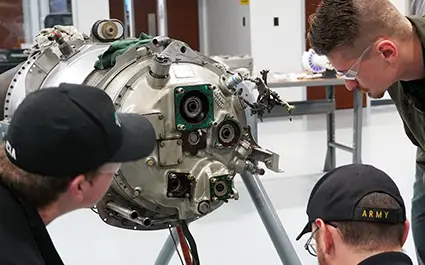
The Appalachian Regional Commission (ARC) awarded Northeast State a $1.5 million grant in October 2019 to build a reliable workforce pipeline of trained aviation maintenance professionals in support of regional economic development. The $1,566,927 award expanded the College’s Aviation Technology program, provided space in a new hangar at Tri Cities Airport, and secured FAA Airframe and Powerplant program certification.
2020s
2021
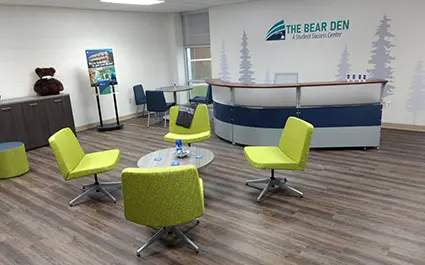
In February 2021, Northeast State unveiled its Bear Den, a centralized information hub to provide students with quick access to answers about registration, financial aid, and other essential services. The concept emerged from the College’s Quality Enhancement Plan, Northeast State Bear Strong: A Culture of Service Excellence, which identified students’ desire for a single location to gather information without visiting multiple offices.

2022
Dr. Jeff McCord assumed leadership of Northeast State in September 2022. Prior to his selection as president, Dr. McCord served as the Commissioner for the Tennessee Department of Labor and Workforce Development in from January 2019 until September 2022. Under McCord’s leadership as Commissioner, Tennessee developed its first multi-agency comprehensive workforce development strategy, grew employment to the highest level in state history, and raised apprenticeships to the highest level in state history.
2023
In November 2023, Northeast State announced the acquisition of 37 acres of land adjacent to its existing campus, securing the potential for future growth. The purchase, valued at $1.5 million, encompasses land bordering Muddy Creek Road and Holston Private Drive, off Tennessee State Highway 75.

2024
The Tennessee Board of Regents named Northeast State as the outstanding community college for 2024. The award recognizes the college that has demonstrated, through evidence, a sustained commitment to and proactive advancement of the causes of student success and workforce development at its institution.
2025
More than 6,200 students attended Northeast State in the fall of 2025, the largest enrollment at the college since 2012.

Connect with Northeast State