
Understanding Substance Abuse
Substance abuse encompasses the misuse of various substances, including alcohol, drugs, and prescription medications, posing significant risks to individuals' physical, mental, and emotional well-being. Alcohol and marijuana remain prevalent substances in the United States, each carrying substantial risks. However, it's essential to recognize that prescription drug abuse is also a significant concern, with medications being misused for non-medical purposes. Understanding the risks associated with these substances is crucial for making informed decisions about substance use and promoting healthier lifestyles.
Standards of Conduct
Northeast State Community College employees and students are prohibited from engaging in the unlawful manufacture, distribution, dispensation, possession, use, or being under the influence of illegal drugs or alcohol on the College campus, at off-campus facilities owned or controlled by the College, or as a part of College-sponsored activities. All categories of employees and students are subject to this policy and to applicable federal, state, and local laws related to this matter (Drug Free Campus).
Understanding these risks is essential for individuals to make informed choices about substance use. If you or someone you know is struggling with substance abuse, seeking help and support is the first step towards a healthier lifestyle.
Substance Abuse and Addiction Resource Videos
- What You Didn’t Know About Addiction
- Your Brain on Drugs
- Stephanie Hall Recovery Story
- Julia Hannekan of Frontier Health
Alcohol
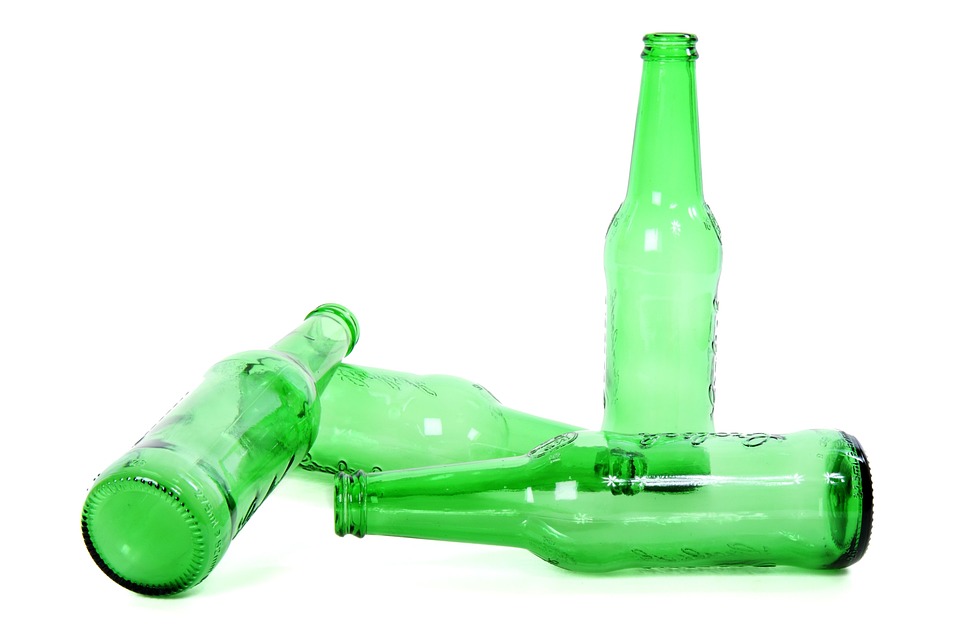
- Alcohol is the most frequently used and misused substance in the U.S.
- Each year, an estimated 1,519 college students between the ages of 18 and 24 die from alcohol-related unintentional injuries, including motor vehicle crashes.”
- Approximately 599,000 students between the ages of 18 and 24 are unintentionally injured under the influence of alcohol annually.
- An estimated 696,000 students between the ages of 18 and 24 are assaulted by another student who has been drinking each year.
- Around 97,000 students between the ages of 18 and 24 are victims of alcohol-related sexual assault or date rape annually.
Marijuana
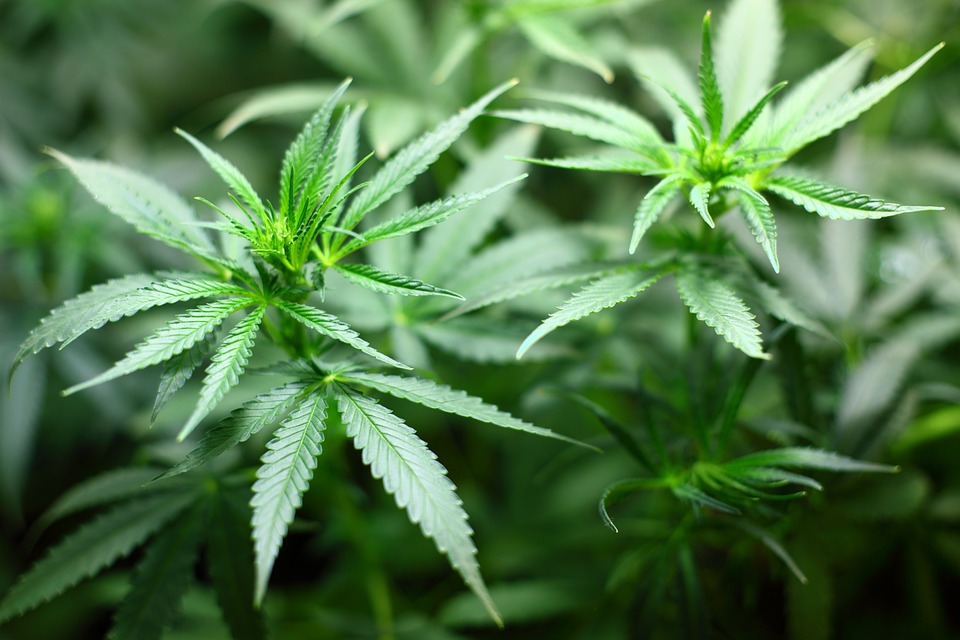
- Marijuana is the most commonly used federally illegal substance in the U.S., though its legal status varies widely at the state level.
- The potency of marijuana has risen drastically over the last few decades, creating a much higher risk of dependency and severe side effects.
- Marijuana use can exacerbate symptoms of depression and anxiety, increase suicidal ideation, and trigger psychotic episodes.
- It can negatively impact motivation and concentration, leading to worse educational outcomes, lower career achievement, and reduced life satisfaction among regular users, according to research.
Prescription Drugs
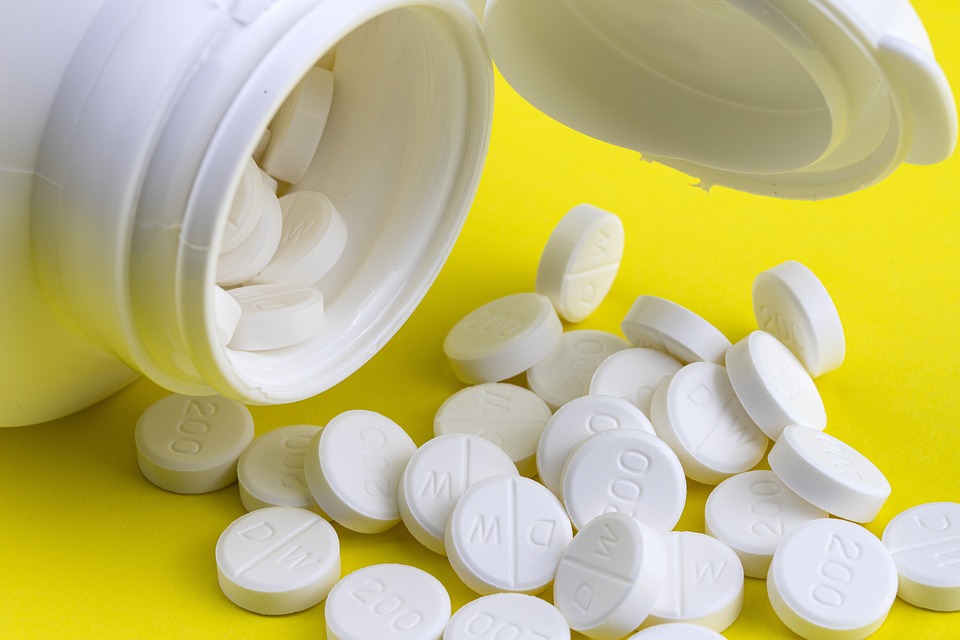 For the latest updates on regional efforts in substance abuse prevention and treatment, we recommend exploring the following resources:
- The Center for Prescription Drug Abuse Prevention and Treatment: Stay informed about initiatives, programs, and resources aimed at addressing prescription drug abuse and promoting treatment options.
- Sullivan County Anti-Drug Coalition (SCAD): Learn about community-based efforts to combat drug abuse, raise awareness, and provide support for individuals and families affected by substance use disorders:
- If you’re concerned about a loved once’s risk of opioid overdose, assistance is available. Contact SCAD to inquire about naloxone HCI training, obtain an Opioid Overdose Prevention Kit, and access support service referrals. For more information on naloxone HCI and its life-saving potential, visit https://narcan.com/.
In alignment with TCA § 63-1-152, officers at the Northeast State Police Department are trained to administer naloxone HCI to address opioid-involved overdoses occurring on campus premises, aiming to minimize injuries and fatalities. In case of emergency, reach out to Campus Police directly at 423-677-7927 (emergency cell) or dial 9-1-1 for immediate assistance.
Vaping
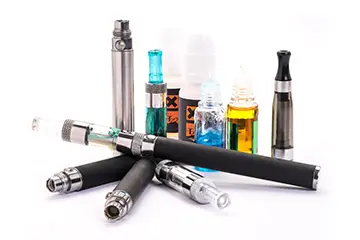
- Vaping has surpassed traditional cigarettes to become the most common form of nicotine and cannabis delivery on U.S. college campuses.
- While many students vape to cope with academic stress, clinical data shows nicotine actually increases anxiety and depression over time by altering dopamine pathways and causing disruptive withdrawal cycles between puffs.
- Vaping coats the lungs with aerosolized chemicals like propylene glycol, glycerin, and heavy metals (nickel, tin, lead), which can cause chronic bronchitis and irreversible lung damage.
- Roughly 22% to 25% of college students report vaping nicotine within the past month, making it a staple of campus social culture
Support & Referral Information
 Support can be very powerful and a beneficial force when trying to change one's misuse or addiction to alcohol or drugs. Weekly community groups in the Tri-Cities area are available on different days and times throughout the week. Sometimes it takes visiting two or three different groups before one can find the right fit. Check out these groups for locations, day and times that will meet your schedule.
Recovery Groups
Family Groups
Counseling Services
C2101, General Studies Building
Blountville
423-354-2587
counseling@NortheastState.edu

Connect with Northeast State